10 Interesting Facts About Texas Food Culture You Probably Never Knew
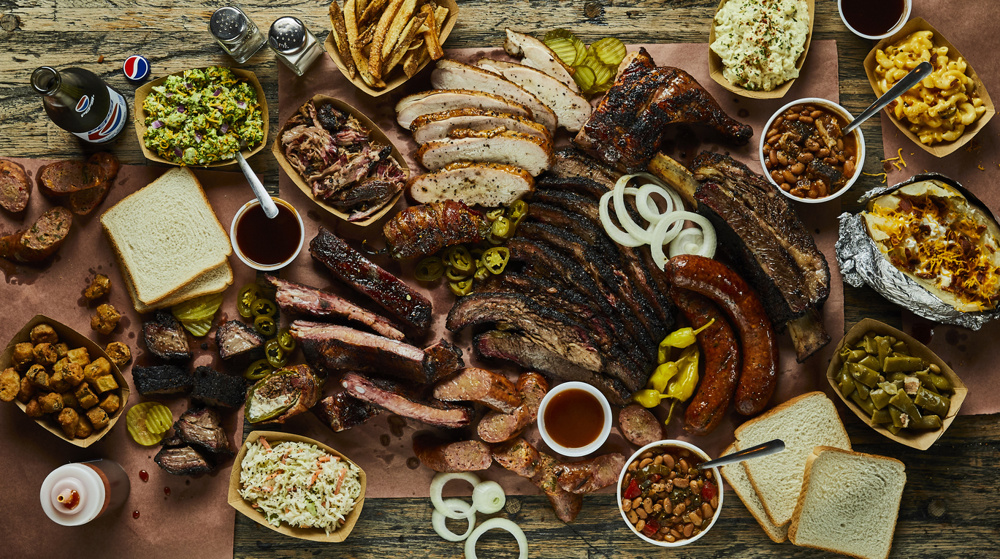
Texas food culture is often reduced to a handful of famous staples—brisket, chili, fajitas, and oversized portions. While those foods certainly deserve their reputation, they tell only part of the story. The state's culinary identity was shaped by generations of Indigenous communities, Mexican vaqueros, German and Czech immigrants. Each leaving a lasting mark on what Texans eat today.
What makes Texas cuisine especially fascinating is how many of its most iconic foods began as practical solutions rather than culinary masterpieces. Cheap cuts of beef became barbecue legends, immigrant pastries became statewide favorites, and humble convenience foods evolved into beloved traditions. Behind nearly every Texas dish is a story of migration, adaptation, and cultural exchange.
Texas Chili Has No Beans: And That's the Law
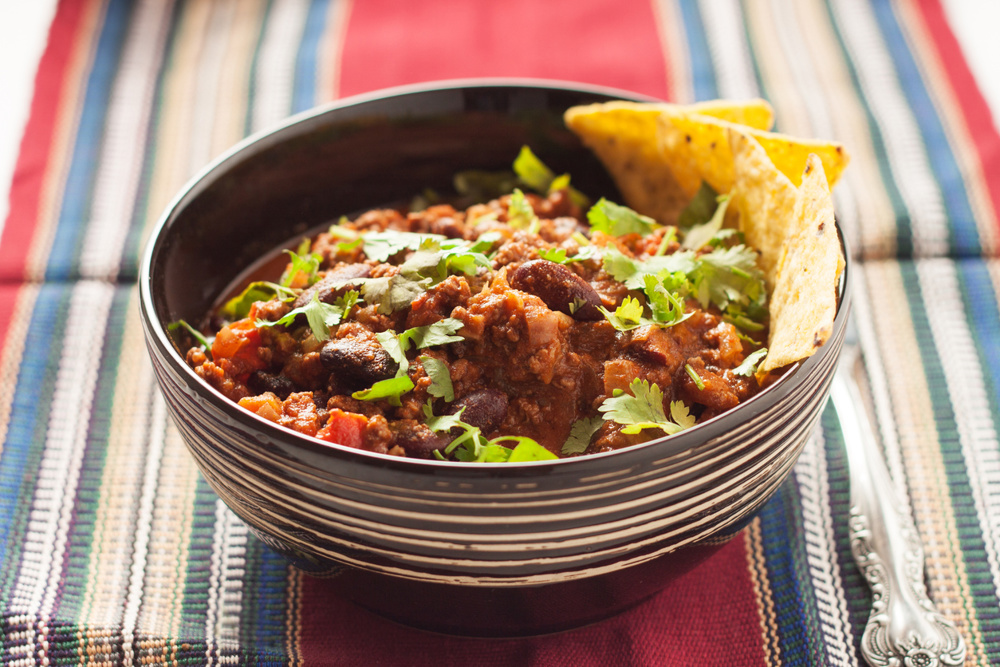
When it comes to traditional Texas chili, beans remain one of the state's most hotly debated culinary topics. In the eyes of many Texans, authentic chili—often called Texas Red—consists of meat, chiles, spices, and little else.
The state's connection to chili was formalized in 1977 when Texas officially declared chili its state dish. Competitive chili organizations such as the Chili Appreciation Society International (CASI) reinforce that tradition by prohibiting beans in sanctioned competitions. At the famous Terlingua International Chili Championship, adding beans to a competition entry is grounds for disqualification.
For many Texans, the rule isn't simply about ingredients. Chili represents a distinct regional identity rooted in cattle culture, frontier cooking, and the state's long history of chile-based cuisine. Whether or not home cooks add beans at home, competition chili remains one of Texas's most fiercely protected food traditions.
Brisket Wasn't Always the Star of Texas BBQ
Today, brisket is the undisputed king of Texas barbecue, but its journey to fame was anything but glamorous. During the nineteenth century, brisket was considered one of the tougher and less desirable cuts of beef. Ranchers and butchers often sold it cheaply because it required long cooking times to become tender.
German and Czech immigrants helped change that perception by adapting European smoking traditions to the abundant beef available in Texas. As barbecue joints spread across Central Texas throughout the twentieth century, pitmasters refined the low-and-slow cooking techniques that transformed brisket into something extraordinary.
Hours of smoking gradually broke down the connective tissue, producing the tender slices now associated with Texas barbecue. By the time President Lyndon B. Johnson hosted guests at his Texas ranch in the 1960s, brisket had become a symbol of Texas hospitality. What was once considered an inexpensive cut had become the centerpiece of the state's most celebrated culinary tradition.
The Czech Immigrants Who Gave Texas Its Kolaches
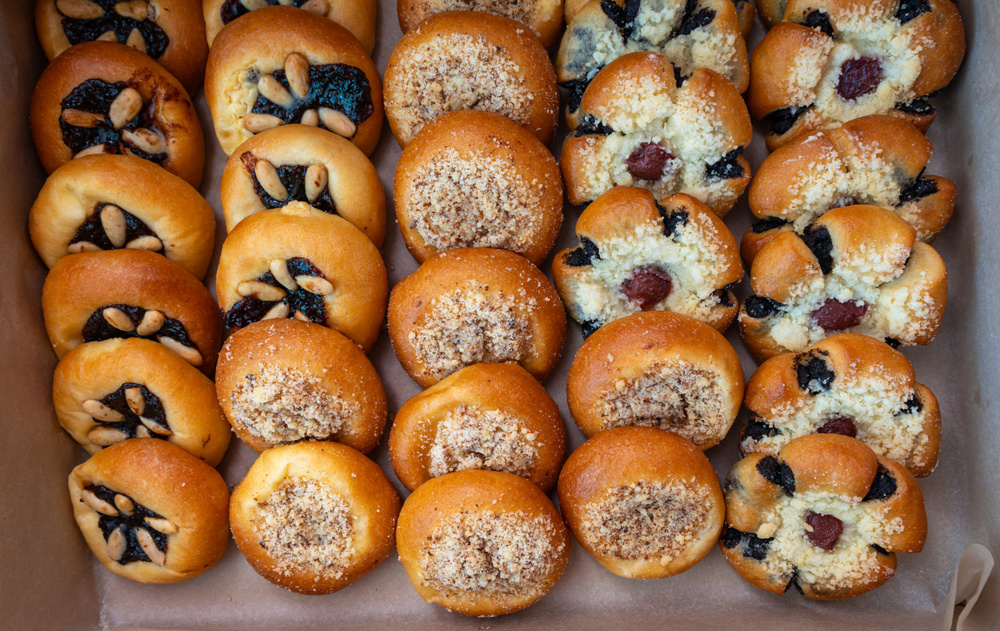
While brisket's rise to BBQ royalty owes much to immigrant ingenuity, another group of newcomers left an equally lasting mark on Texas food culture — the Czech settlers who brought kolaches to the Lone Star State. Arriving through Galveston from the 1850s onward, most carried deep Moravian heritage from south of Prague, settling Central Texas's fertile blackland prairies.
Kolaches weren't just food — they carried serious cultural weight. Brides prepared kolache dowries of 1,000 pastries to prove their baking skills before marriage. Families baked them weekly for church visits and field lunches, eating them daily to preserve identity.
By the late 1800s, over 250 Czech communities had formed between Dallas and Austin, cementing kolaches as something far bigger than an immigrant tradition — a true Texas staple. The first store to formally sell kolaches to the public was Village Bakery, which opened in the town of West in 1952 under the founding vision of pharmacist Wendel Montgomery and his wife Honey.
The German Town That Keeps Strudel Alive in Texas
Tucked an hour north of Fort Worth, the small town of Muenster, Texas, holds on to its German roots with a tenacity that's hard to miss. Founded in 1889, this tight-knit community of roughly 1,500 people still lives and breathes its heritage through:
- Muenster cheese production so significant it once supplied Kraft Foods daily via 25-30 tanker trucks
- Fischer's Meat Market, where Dallas-Fort Worth locals drive north just to stock up on house-made sausage
- Oktoberfest traditions celebrated every October with polka music, Wiener Dog Races, and authentic German food
You'll also find Rohmer's Restaurant serving sausage dishes straight from old-world recipes. Germanfest each April makes Muenster one of Texas's most flavorful cultural destinations. The town's strong sense of community and shared heritage also echoes in celebrations like Valentine's Day in Ukraine, where love, devotion, and cultural identity are honored. It is much the same way Muenster's residents honor their German ancestry every day.
For those with a sweet tooth, Bayers Kolonialwaren doubles as both a bakery and gas station, serving standout strudel, haystacks, and flaky fruit tarts that round out the town's rich German culinary tradition. Local food enthusiasts and historians alike can even track and compare Muenster's culinary data trends.
Texas Fajitas Started as Throwaway Cowboy Cuts
Few Texas foods have undergone a transformation as dramatic as the fajita. Today, sizzling fajita platters are a restaurant staple, but the dish began with a cut of beef that was once considered undesirable. During cattle drives and ranch work in South Texas, skirt steak was often given to Mexican vaqueros as part of their compensation.
Rather than wasting the tough cut, vaqueros developed techniques to make it both flavorful and tender. They marinated the meat, grilled it over open flames, and sliced it thinly before serving it in tortillas. The result was a practical meal that made the most of an overlooked ingredient while showcasing generations of ranching knowledge.
For decades, fajitas remained largely a regional tradition before entering the restaurant industry in the late twentieth century. As demand grew, skirt steak went from being one of the cheapest cuts available to one of the most sought-after. The fajita's journey reflects a broader theme in Texas food culture: turning humble ingredients into culinary icons.
Take a quick bite of knowledge with these fun culinary facts!
How Breakfast Tacos Became Texas’ Everyday Meal
Unlike many classic Texas foods, breakfast tacos are a relatively recent addition to the state's culinary landscape. The concept is simple—breakfast ingredients wrapped inside a tortilla—but that simplicity helped make the dish enormously popular. Eggs, potatoes, beans, bacon, sausage, and chorizo all became common fillings.
The dish first gained popularity in South Texas communities, where tortillas were already a daily staple. Over time, breakfast tacos spread northward through cities such as San Antonio and Austin, appearing everywhere from family-owned taquerias to school cafeterias and convenience stores. Their portability made them especially appealing to busy workers and students.
Today, breakfast tacos are woven into everyday Texas life. Debates over the best fillings, tortilla styles, and regional variations remain common throughout the state. While they may not have centuries of history behind them, breakfast tacos have become one of the clearest examples of how Texas continues to develop its own distinctive food traditions.
How African American Cooks Built Southern Texas Cooking
African American cooks played a foundational role in shaping Southern Texas cuisine, yet their contributions were often overlooked in traditional food histories. Through generations of cooking, they introduced ingredients, techniques, and recipes that became deeply embedded in regional food culture. Many dishes now considered Southern classics bear the influence of African culinary traditions.
Ingredients such as okra, black-eyed peas, sorghum, and sweet potatoes became staples in part because of African American cooking practices. Their expertise also influenced barbecue, frying, seasoning, and communal food traditions throughout the South. Much of this knowledge was passed down through families long before it appeared in published cookbooks.
In recent years, historians and food scholars have worked to bring greater attention to these contributions. Books, archives, and preservation projects continue documenting the role African American cooks played in building Southern food culture. Their work helps ensure that the story of Texas cuisine reflects all of the communities that helped create it.
Texas Has an Official State Snack and You've Already Eaten It
Chances are you've already eaten Texas's official state snack without knowing it held that title. Tortilla chips and salsa earned that designation in 2003, thanks to a student initiative from Marcell Elementary School in Mission, Texas. Those kids contacted State Representative Kino Flores, and the 78th Texas Legislature made it official on June 22, 2003.
This cultural fusion of indigenous Mexican tradition and Texas identity shows up everywhere:
- Sizzling Tex-Mex restaurants where chips hit the table before you've even opened the menu
- Backyard BBQs where a bowl of salsa sits beside the grill
- Quiet kitchens where you're scooping chips straight from the bag
Bold, simple, and universally loved — it's pure Texas on a chip. The primary ingredients behind this beloved snack — corn, peppers, and tomatoes — were already being cultivated along the Rio Grande long before Spanish settlers ever arrived.
Texas Invented Frito Pie Inside a Bag
Few foods are more closely associated with Texas concession stands than Frito pie. The combination of corn chips, chili, cheese, and onions has become a staple at football games, fairs, and school events across the state. While simple in concept, the dish has become one of Texas's most recognizable comfort foods.
Versions of Frito pie existed long before it became famous for being served directly in the bag. Home cooks were already combining Fritos with chili and cheese in casseroles during the 1940s, and the name "Frito pie" appeared in print as early as 1946. The portable version gained popularity after Frito-Lay began using grease-resistant bags that could hold hot toppings, making it possible to turn a snack-sized bag of chips into a ready-made serving bowl.
Its convenience helped cement the dish's place in Texas culture. Frito pie became a natural fit for crowded stadiums, community festivals, and school cafeterias where quick, inexpensive meals were essential. Although neighboring states occasionally dispute aspects of its history, Texas remains most closely identified with the dish, and serving it straight from the bag is still considered a uniquely Texan tradition.
Jalapeños Are Texas's Most Versatile Ingredient
No ingredient defines Texas cooking quite like the jalapeño. As Texas's official state pepper, it thrives in the state's long, hot growing seasons, making Texas one of the world's top producers. You'll find jalapeño varieties ranging from mild Tam and Senorita types to smoky chipotles, each serving a distinct culinary purpose.
Consider these three ways jalapeños transform Texas dishes:
- Raw — Sliced into rings or matchsticks, they add crisp heat to salads and nachos.
- Roasted — Blended into creamy dips or sauces with tomatillos.
- Stuffed — Packed with cheese and wrapped in bacon as jalapeño poppers.
Jalapeño pairings extend beyond peppers alone — cumin, chorizo, shrimp, and lime all amplify its bold, medium heat perfectly. Their heat is measured on the Scoville scale, with jalapeños typically registering between 2,500 to 8,000 Scoville Heat Units.
Conclusion
Texas food culture is often associated with a handful of iconic dishes, but the stories behind those foods reveal a much richer history. From immigrant bakeries and cattle-drive cooking to Tex-Mex innovation, the state's cuisine reflects generations of cultural exchange, adaptation, and creativity. Every bowl of chili, plate of brisket, and breakfast taco carries a piece of that history forward.
As Texas continues to grow and evolve, so does its food culture. New influences are constantly joining traditions that have been passed down for generations, ensuring that the Lone Star State's culinary identity never stands still. The next great Texas food tradition may already be taking shape in a family kitchen, food truck, or small-town café somewhere across the state.