The Ultimate Editorial Calendar for Food Stories, Home Living, and Global Flavor
Food and home-living content thrives when it reflects the rhythms people already experience throughout the year. Seasonal ingredients, family traditions, cultural celebrations, and changing lifestyles all create natural opportunities for stories that feel timely and relevant. Instead of constantly searching for new ideas, a thoughtful editorial calendar allows you to anticipate these moments and build content around them.
The strongest food stories do more than provide recipes. They connect readers to traditions, communities, and experiences that make cooking and gathering feel significant. By combining seasonal themes, global cuisines, and home-living inspiration, you can build a content calendar that remains fresh, relevant, and engaging all year long.
Build Your Food and Home Living Editorial Calendar From Scratch
Every successful editorial calendar begins with a framework. Rather than attempting to map an entire year at once, many creators find it easier to work in quarterly planning cycles. Three-month periods provide enough structure to stay organized while remaining flexible enough to accommodate unexpected opportunities.
Start by identifying recurring events that naturally influence food and home content. Holidays, seasonal transitions, harvest periods, local festivals, and annual observances all provide valuable anchor points. These moments create opportunities for recipes, entertaining guides, decorating ideas, and cultural features that feel naturally connected to the calendar.
A strong editorial plan also balances seasonal content with evergreen topics. Holiday menus may attract readers during specific months, but subjects such as meal planning, family cooking traditions, and home organization remain relevant year-round. Combining both approaches creates a calendar that consistently delivers value.
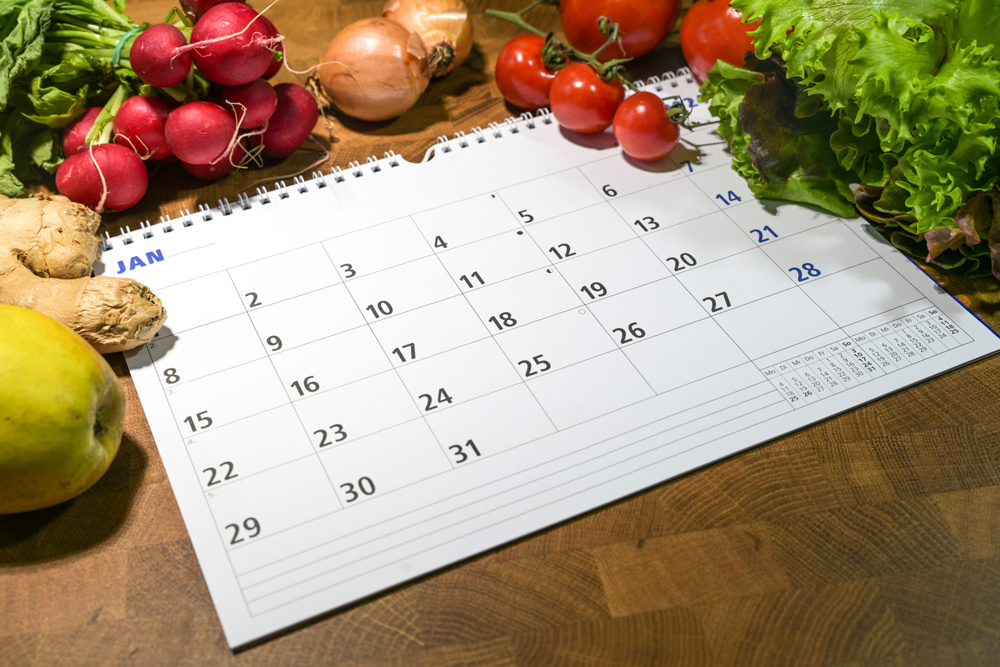
Design your own event calendar to share important dates with friends or your community.
Map National Nutrition Month Across Your March Content
March provides a natural opportunity to focus on health and wellness through National Nutrition Month. Rather than limiting coverage to a single article, the observance can support a full month of interconnected content that explores different aspects of nutrition and healthy living. This approach allows readers to engage with the topic gradually while discovering practical ways to improve everyday habits.
Recipes built around seasonal produce, balanced meal ideas, and practical grocery strategies all fit naturally within this theme. Editors can dedicate individual weeks to topics such as meal planning, mindful eating, family nutrition, or budget-friendly cooking. Readers often appreciate realistic guidance that helps them make sustainable changes without relying on restrictive diets or short-term wellness trends.
Nutrition content also pairs well with broader home-living topics. Kitchen organization, family meal routines, grocery budgeting, and healthy pantry staples all contribute to a more complete wellness-focused editorial strategy. By treating National Nutrition Month as a series rather than a single event, content remains relevant throughout March while providing lasting value long after the observance ends.
Schedule Global Cuisine Features for Every Month of the Year
Global cuisine features provide a reliable way to keep food content fresh throughout the year. Every region offers distinctive ingredients, cooking techniques, and traditions that can inspire engaging stories while introducing readers to flavors and perspectives they may not encounter regularly. Building monthly features around international cuisines also creates a natural framework for long-term editorial planning.
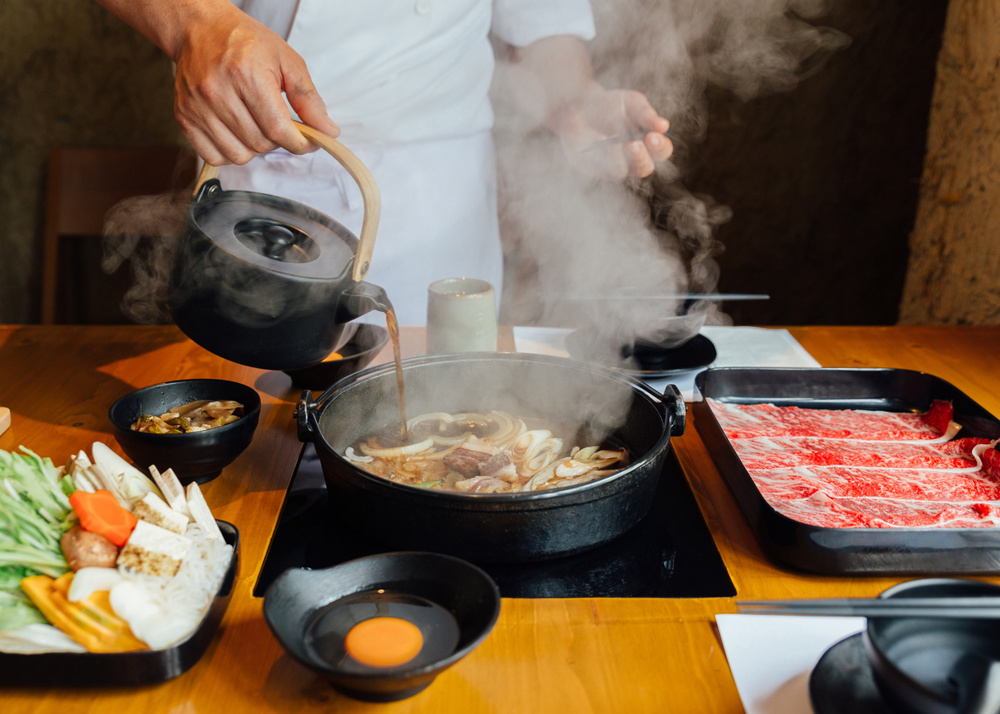
Winter months naturally lend themselves to hearty comfort foods such as Brazilian feijoada, Japanese nabemono, or Eastern European stews. Spring highlights herb-driven Mediterranean dishes and fresh seasonal ingredients. Summer creates opportunities to explore street food traditions, while autumn invites stories centered on harvest celebrations and regional specialties. Matching cuisines to seasonal themes helps content feel timely while maintaining variety.
These features become even more compelling when they extend beyond recipes. Exploring the history, culture, and communities behind a dish allows readers to better understand how food reflects the places where it originated. Global cuisine stories often succeed because they combine practical cooking inspiration with cultural discovery, creating a richer experience than recipes alone.
Why Cultural Authenticity Makes Global Food Stories Worth Reading
The most memorable food stories provide more than instructions. They offer context. Cultural authenticity helps readers understand why certain ingredients, techniques, and traditions developed in specific places and how they continue to shape communities today. A recipe may explain how to prepare a dish, but the story behind it often explains why it matters.
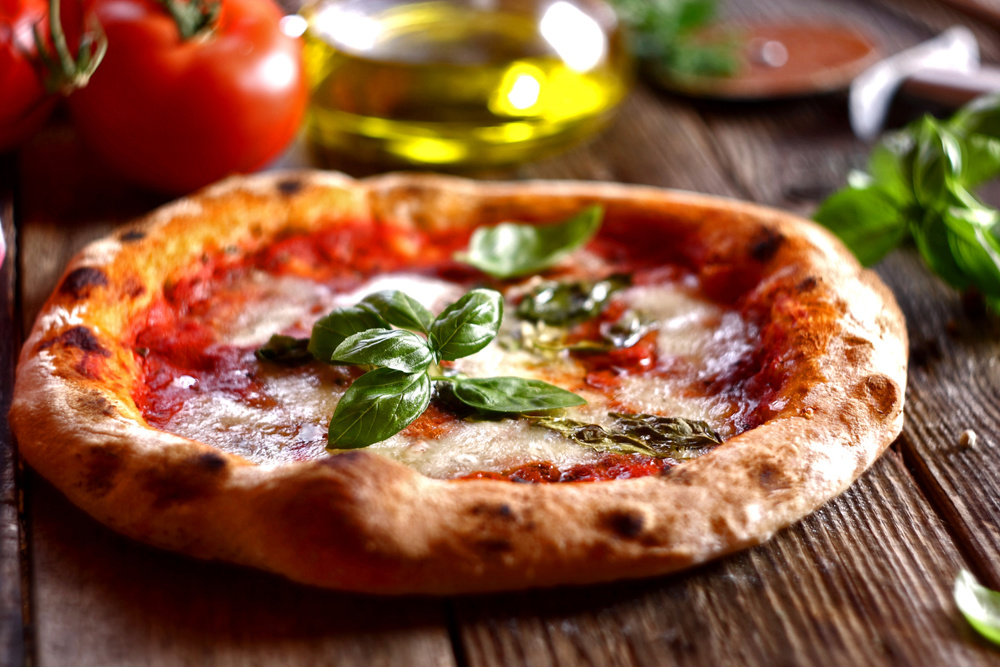
Authenticity is not simply about following recipes exactly as written. It involves exploring the stories behind dishes, the people who prepare them, and the traditions that keep them alive. Whether discussing Neapolitan pizza, Mexican mole, or Japanese washoku, understanding the cultural background often makes the food itself more meaningful
Food serves as a powerful expression of identity. It preserves history, celebrates heritage, and connects generations. Stories that recognize these connections often resonate more strongly than content focused solely on ingredients and techniques because they reveal the human experiences that make food traditions endure.
Using Holidays and Cultural Celebrations to Inspire Story Ideas
Food and celebration have always been closely connected. Holidays provide natural opportunities for storytelling because they combine recipes, traditions, family gatherings, and cultural history. These occasions often create some of the most engaging content opportunities throughout the year, allowing writers to explore not only what people eat but also why certain foods become important parts of collective celebrations.
Beyond major Western holidays, there are countless celebrations that offer inspiration. Lunar New Year, Ramadan, Diwali, Passover, Easter, Thanksgiving, and Christmas each feature distinctive food traditions that reflect broader cultural values and histories. Exploring these events allows readers to discover new perspectives while gaining a deeper appreciation for familiar customs.
Coverage can extend beyond recipes to include hosting traditions, family rituals, decorating practices, and regional variations. Food is often only one part of a larger celebration. By examining the broader cultural context, stories become more informative, engaging, and relevant to readers who value the connections between food, family, and tradition.
How Seasonal Entertaining Themes Create Better Food Content
Food content often performs best when it reflects the ways people actually gather and celebrate. Seasonal entertaining themes provide a practical framework for creating useful and engaging stories that extend beyond individual recipes. By aligning content with the occasions readers are already planning for, articles feel more timely, relevant, and immediately applicable.
Spring brunches, summer cookouts, autumn harvest dinners, and winter holiday gatherings all inspire different types of content. Menus, decorating ideas, tablescapes, hosting guides, and entertaining tips naturally complement recipes while helping readers plan complete experiences rather than isolated meals. These seasonal occasions also create opportunities to explore traditions, family customs, and creative ways to bring people together throughout the year.
These themes also connect food and home living in meaningful ways. Readers are often preparing for birthdays, holidays, family gatherings, or casual get-togethers rather than simply searching for recipes. Content that helps them create memorable occasions often provides more value and encourages stronger engagement throughout the year.
Which 2026 Food Trends Should Shape Your Content Calendar?
Food trends can help keep content current, but they are most effective when they reflect broader changes in how people cook and eat. Rather than chasing every viral recipe or short-lived social media craze, focus on developments that demonstrate lasting influence and genuine consumer interest. This approach helps create content that remains relevant long after a particular trend has faded from public attention.
Comfort foods continue to evolve through creative reinterpretations of familiar favorites. Global flavors remain popular as readers seek new culinary experiences, while growing interest in sustainability has increased attention on reducing food waste, seasonal ingredients, and cooking from scratch. These shifts reflect larger lifestyle changes rather than temporary internet phenomena.
Incorporating these themes allows content to remain current while supporting long-term editorial goals. Trend-focused stories work best when they complement evergreen topics such as family meals, seasonal cooking, entertaining, and cultural food traditions. The strongest editorial calendars use emerging interests to enrich broader storytelling, creating articles that continue to provide value even after a specific trend begins to lose momentum.
Let Seasonal Ingredients and Grocery Cycles Drive Your Calendar
Seasonal ingredients remain one of the most reliable sources of editorial inspiration. Recipes built around produce at its peak are often more affordable, flavorful, and practical for readers, making seasonal planning a natural fit for food-focused content. Because seasonal foods reflect what people are already encountering at grocery stores, farmers markets, and local farms, they provide a steady stream of timely and relevant story ideas throughout the year.
Spring brings asparagus, peas, strawberries, and fresh herbs. Summer highlights tomatoes, peaches, melons, corn, and berries. Autumn introduces apples, squash, pumpkins, and root vegetables, while winter focuses on citrus fruits, cabbage, and hearty cold-weather produce. These predictable cycles create natural opportunities for recipes, ingredient spotlights, shopping guides, preservation techniques, and seasonal entertaining content.
Seasonal content also aligns closely with how people shop and cook. Readers tend to search for recipes featuring ingredients that are abundant, affordable, and easy to find in the moment. By matching editorial planning to seasonal availability and grocery cycles, content feels more useful and practical while helping readers make the most of what is currently in season.
Why Readers Connect With Personal Food Stories
Some of the most powerful food stories are rooted in personal experience. Family recipes, childhood memories, and cultural traditions create emotional connections that often resonate more deeply than technical cooking advice alone. While readers may initially arrive for a recipe, they often stay for the stories that reveal how food becomes part of a person's identity and life experience.
Readers enjoy learning how dishes have been passed down through generations or how certain meals became associated with important family events. These stories transform recipes into expressions of identity, belonging, and shared experience. They remind audiences that food is often intertwined with memory and tradition.
Personal narratives also tend to be among the most memorable forms of food writing. While ingredients and techniques matter, the stories attached to them often provide the strongest reason for readers to return. Seeing their own experiences reflected in someone else's food memories creates a connection that purely instructional content rarely achieves.
Turn Local Food Events and Festivals Into Content Opportunities
Food festivals, farmers markets, and community celebrations offer a wealth of storytelling opportunities throughout the year. These events showcase regional specialties, local traditions, and the people who help sustain food cultures. They also provide timely editorial opportunities that naturally align with seasonal ingredients, cultural celebrations, and community interests.
Profiles of farmers, artisans, chefs, food vendors, and market organizers can add depth to editorial coverage while highlighting the human stories behind the products readers enjoy. A local honey producer, family-owned bakery, or longtime festival vendor often has a story that extends far beyond the food itself. These personal perspectives help readers better understand the traditions, skills, and dedication that support local food communities.
By focusing on people as well as food, these stories create stronger engagement and help readers appreciate the broader networks that sustain regional food systems. They also preserve local traditions, celebrate community identity, and spotlight the individuals who keep culinary heritage alive. In many cases, the stories behind the people and places become just as compelling as the food being served, creating content that feels both meaningful and memorable.
Building a Calendar That Balances Inspiration and Practicality
An effective editorial calendar balances creativity with usefulness. Readers want inspiration, but they also value practical information they can apply immediately in their kitchens, homes, and daily routines. The most successful content plans recognize that audiences are looking for ideas that are both engaging and relevant to their everyday lives.
The strongest calendars combine seasonal ingredients, cultural celebrations, entertaining themes, global cuisine, and personal storytelling. Together, these elements create a content mix that feels varied and engaging while remaining connected by a clear editorial vision. This balance helps prevent repetition while ensuring that content remains fresh and meaningful throughout the year.
Flexibility also matters. New trends, events, and opportunities will emerge throughout the year. A well-planned calendar provides enough structure to stay organized while leaving room for fresh ideas when they arise. The goal is not rigid scheduling but creating a framework that supports consistent, meaningful content all year long.
Conclusion
The most successful food and home-living calendars follow the natural rhythms of the year. Seasonal ingredients, cultural celebrations, family traditions, and global cuisines all provide opportunities for meaningful storytelling that remains relevant regardless of changing trends.
More importantly, these stories remind readers that food is about far more than recipes. It connects people to history, culture, community, and one another. When those connections remain at the center of the editorial calendar, the result is content that readers return to again and again.