How Cultural Food Etiquette Still Shapes Pop Culture
Food etiquette shapes pop culture in ways most people rarely notice. Every time a Korean drama sparks interest in shared side dishes, a celebrity chef popularizes a dining trend, or a social media debate erupts over the "correct" way to eat a traditional dish, cultural dining customs enter the mainstream conversation. What once remained largely within families and communities now travels globally through entertainment and digital media.
These customs do far more than dictate table manners. They communicate identity, belonging, respect, and social values. As movies, television shows, influencers, and streaming platforms expose audiences to dining traditions from around the world, food etiquette continues to influence how cultures are represented, understood, and discussed in popular culture.
What Cultural Food Etiquette Actually Signals About Identity
Food etiquette is rarely just about manners. The way people eat, serve food, and interact at the table often reflects generations of cultural values and traditions. Every dining custom carries assumptions about respect, community, family structure, and social expectations that help shape individual identity.
Simple actions can communicate a surprising amount of information. Whether someone uses chopsticks, eats with their hands, shares dishes communally, or follows specific religious dietary rules often signals cultural background and belonging. These practices help distinguish communities while preserving traditions that might otherwise fade over time.
Food etiquette also functions as a living connection to history. Families pass dining customs from one generation to the next, reinforcing cultural identity through everyday behavior. Long after languages, fashions, or customs begin to change, food traditions often remain powerful symbols of heritage and belonging.
How Food Rituals Became Storytelling Tools in Film
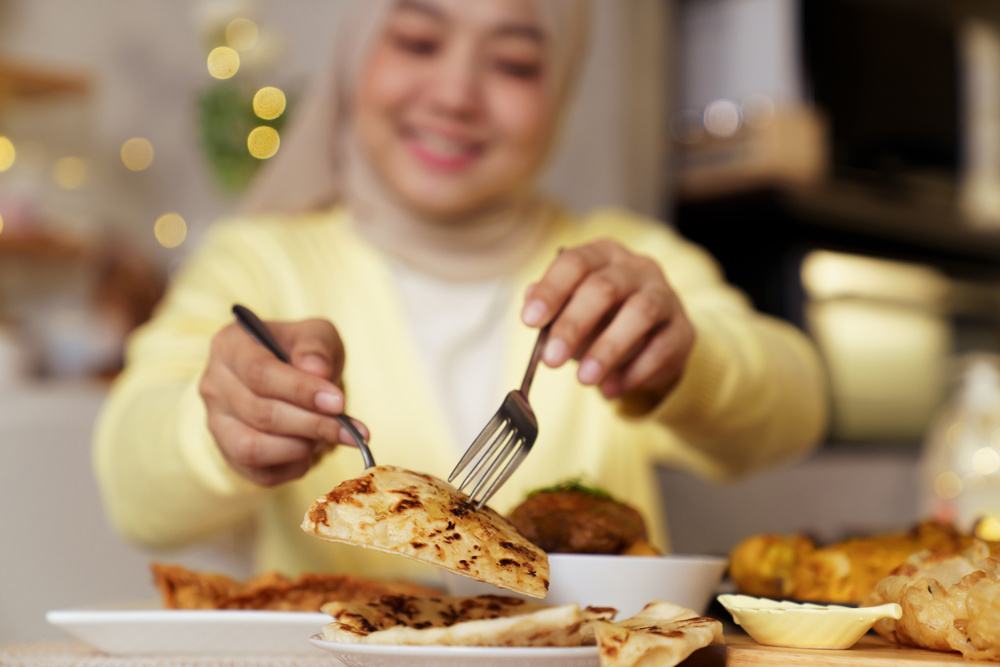
Filmmakers have long understood that food rituals can reveal aspects of a character that dialogue alone cannot. Shared meals create opportunities to display family dynamics, social status, emotional tension, and cultural values within a single scene.
Films such as Eat Drink Man Woman, Babette's Feast, and Like Water for Chocolate use dining rituals to communicate relationships and conflicts. The way food is prepared, served, and consumed often reveals hierarchy, affection, resentment, or reconciliation. A family dinner can become a stage where cultural expectations and personal desires collide.
Food etiquette is especially useful because audiences instinctively understand these signals. Viewers may not consciously analyze a seating arrangement or serving ritual, but they recognize when a character breaks a tradition or challenges a social expectation. These moments make food one of cinema's most effective storytelling devices.
The Dining Scenes That Changed How We Think About Culture
Some dining scenes don't just entertain — they quietly rewire how you understand an entire culture. Take *Tampopo*'s slurping scene: it dismantles Western etiquette by making audible joy infectious, even among those enforcing the rules. Meanwhile, restaurants like Atoboy made banchan centerpiece dining a statement, shifting how you perceive Korean culinary identity entirely.
These moments — cinematic or culinary — force cultural reconsideration:
- “Tampopo” slurping exposes the absurdity of rigid food etiquette
- Banchan redefined as tasting menu anchor, not afterthought
- Immigrant chefs in L.A. equalizing street tacos with fine dining
- Elevated humble dishes challenging luxury's exclusivity
- Global fusion menus reframing dining as cultural exchange
You don't just eat differently after these encounters — you think differently. Roy Choi's Kogi truck proved this shift was already underway in 2008, using Twitter to announce daily locations and turning Korean-inspired tacos into a cultural phenomenon during the Great Recession.
How Korean and Japanese Dining Customs Went Global Through Entertainment
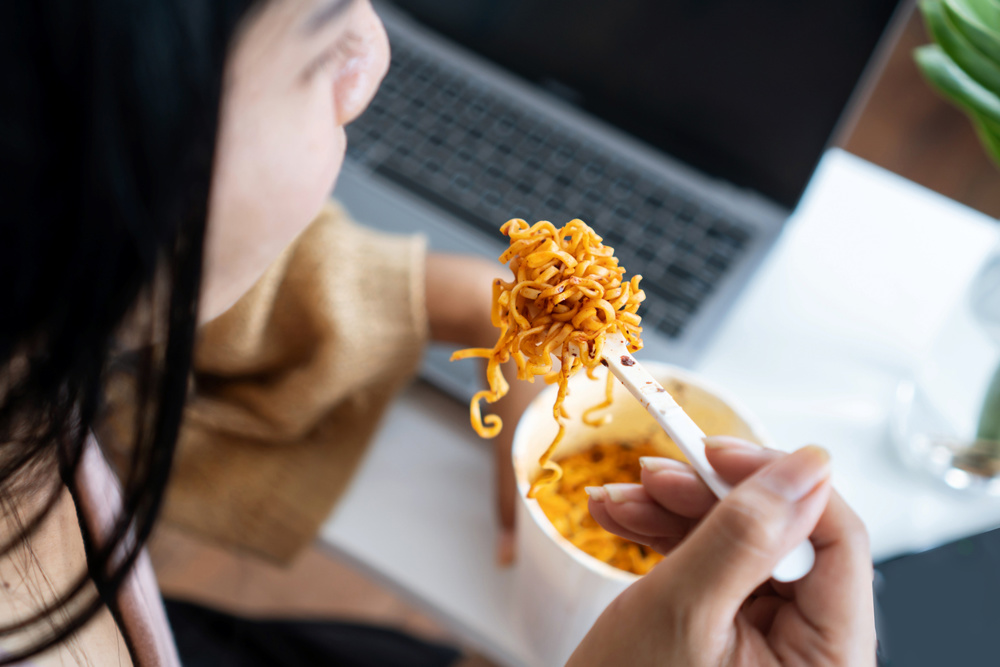
Entertainment has played a major role in introducing global audiences to East Asian dining customs. Korean dramas, Japanese anime, cooking shows, and travel documentaries frequently place meals at the center of their storytelling, exposing viewers to traditions they may never have encountered otherwise.
Korean dramas often feature shared meals built around banchan, the small side dishes that accompany many Korean dishes. These scenes showcase customs surrounding hospitality, respect for elders, and communal dining. Likewise, Japanese films and anime frequently highlight ramen etiquette, sushi traditions, and tea ceremonies, turning everyday dining practices into recognizable cultural symbols.
As these shows gain international audiences, the customs they portray often move beyond the screen. Restaurants, food influencers, and content creators regularly recreate dining experiences inspired by popular entertainment, helping transform regional etiquette traditions into global cultural trends.
How Film and TV Shaped Real-World Food Etiquette Norms
When a film scene makes you crave something you've never tasted, or makes you suddenly self-conscious about how loudly you're chewing, you're seeing the media's quiet power over food behavior in real time. Cinema manners aren't just fictional—they model real dining customs, reinforce cultural traditions, and shape how you behave at the table. Screen etiquette embedded in global films teaches everything from formal dinner protocols to shared eating rituals.
Research confirms that food depictions in entertainment actively alter dietary habits and social interactions. When Big Night's timpano sparked restaurant trends or Tampopo's egg yolk scene redefined sensual food sharing, audiences didn't just watch—they absorbed new norms.
Film doesn't merely reflect food culture; it actively constructs it. Much like Sir Thomas More's Utopia imagined an ideal society through laws and customs that seemed both desirable and unattainable, film creates idealized dining worlds that audiences aspire to replicate in real life. A study of 250 top-grossing American films found that snacks and sweets were the most frequently depicted food types on screen, reinforcing unhealthy eating as a cultural norm.
Check out MrPopCulture.com and learn more about pop culture trends in cultural food etiquettes.
Why Social Media Turned Food Etiquette Into Content?
Social media transformed food from a private experience into a public performance. Meals are no longer consumed solely for nourishment or enjoyment; they are often photographed, reviewed, shared, and discussed before the first bite is taken.
Platforms such as Instagram and TikTok have created entirely new forms of food etiquette. Photographing dishes before eating, crediting recipes, documenting restaurant visits, and recreating viral recipes have become common social behaviors. In many cases, these practices are now expected parts of online food culture.
The result is a new layer of etiquette shaped by algorithms and engagement. Food content rewards visual appeal, presentation, and shareability, encouraging people to think differently about how they interact with meals both online and offline.
Why Food Etiquette Debates Go Viral Online
Food etiquette discussions frequently become viral because they combine personal habits with cultural identity. Questions about the "correct" way to eat a particular dish often generate strong opinions from people who view those customs as important parts of their heritage.
Debates surrounding chopstick use, pizza toppings, traditional recipes, or cultural authenticity regularly attract millions of views. While these conversations sometimes become contentious, they also introduce audiences to traditions they might never have encountered otherwise.
The popularity of these debates demonstrates that etiquette remains highly relevant. Food customs may seem simple on the surface, but they often represent deeper questions about identity, respect, and cultural preservation in an increasingly connected world.
How Celebrity Culture Reshaped Food Etiquette Expectations
Celebrities have become some of the most influential voices in modern food culture. Celebrity chefs, television personalities, and influencers frequently shape public perceptions of what constitutes good taste, proper dining, or desirable food experiences.
Figures such as Jamie Oliver, Nigella Lawson, and Anthony Bourdain helped popularize specific cooking styles, ingredients, and dining philosophies. Their influence extends beyond recipes to broader ideas about hospitality, family meals, and cultural appreciation.
At the same time, celebrity culture can create unrealistic expectations. Luxury kitchens, expensive ingredients, and highly curated dining experiences sometimes become aspirational standards that are inaccessible to many people. Even so, celebrity influence remains one of the strongest forces shaping modern food etiquette and dining trends.
How Streaming Food Shows Made Global Dining Customs Familiar
Streaming platforms have expanded public exposure to food culture more rapidly than any previous medium. Programs such as Chef's Table, Street Food, Somebody Feed Phil, and Parts Unknown introduce audiences to dining traditions from every corner of the world.
Rather than focusing solely on recipes, many of these programs explore the social customs surrounding meals. Viewers learn about hospitality traditions, communal dining practices, and cultural expectations that give food deeper meaning.
These shows encourage audiences to approach unfamiliar customs with curiosity rather than judgment. By presenting etiquette as an expression of culture and community, streaming platforms have helped normalize a wider range of dining practices across global audiences.
How Food Competitions Turned Etiquette Into Entertainment
Food competitions have become some of the most popular programs in modern entertainment, and many of them place cultural dining expectations at the center of the action. Shows such as MasterChef, Top Chef, and The Great British Bake Off regularly evaluate not only flavor and technique but also whether contestants understand the traditions behind a dish.
These programs frequently highlight the relationship between food and cultural respect. Contestants may be criticized for overlooking traditional techniques or praised for understanding the history behind a particular cuisine. As a result, audiences begin to recognize that food etiquette extends beyond table manners and includes the broader customs that surround preparation, presentation, and hospitality.
Over time, cooking competitions have helped make culinary traditions more visible to mainstream audiences. By turning cultural food knowledge into part of the entertainment experience, they have encouraged viewers to become more curious about the customs and etiquette that shape cuisines around the world.
How Fast Food Culture Redefined Informal Dining Etiquette
Fast food didn't just change what you eat — it changed how you're expected to behave while eating it. Quick manners now prioritize efficiency and awareness of others. Counter etiquette demands you're ready to order before reaching the front, and mobile ordering has further streamlined that expectation.
Today's informal dining norms reflect that shift:
- Prepare your order before approaching the counter
- Step aside if you're undecided
- Don't linger at tables after finishing your meal
- Eat at your own pace without waiting for others
- Accept that abrupt departures are socially acceptable
Fast food culture effectively rewrote unspoken dining rules, making speed and consideration for others the new baseline for respectful informal eating behavior. At their core, good manners in any dining setting exist to make others feel at ease and appreciated.
The Food Etiquette Rules That Are Actually Changing Right Now
Etiquette isn't frozen in time — it shifts as culture does, and right now, several familiar rules are actively being renegotiated. Phone etiquette no longer means a total ban; it means not making others feel invisible. Quick glances are fine — zoning out entirely isn't.
Elbow norms have softened too. Resting your elbows between bites is largely acceptable now, though sprawling in cramped or formal settings still draws looks. Waiting for everyone to be served has become flexible, prioritizing individual rhythms over rigid tradition.
Napkins on laps and saying grace in mixed company are increasingly context-driven rather than automatic. What remains constant is the underlying principle: awareness of others. The rules aren't disappearing — they're just becoming more empathetic and situational than ever before. Strict restaurant dress codes that once governed dining out have largely given way to casual wear, with jeans and sneakers now the unremarkable norm at most restaurants.
Conclusion
Food etiquette remains one of the most visible ways cultures express identity, values, and belonging. Through films, television, social media, celebrity influence, and streaming platforms, dining customs continue to reach audiences far beyond the communities where they originated. What begins as a local tradition can quickly become part of a global conversation.
As pop culture becomes increasingly interconnected, food etiquette will continue evolving alongside it. New customs will emerge, old traditions will adapt, and debates about authenticity and respect will persist. Yet the enduring role of food etiquette remains the same: helping people connect with one another while preserving the cultural stories carried through every shared meal.
Related posts