Food Stories Behind Iconic DFW Dishes and Restaurants
Dallas-Fort Worth’s iconic food scene reflects a blend of immigrant traditions, regional ingredients, and culinary innovation. You’ll discover how German settlers helped shape chicken-fried steak, how Tex-Mex restaurants like El Fenix introduced generations to hybrid flavors, and how influential chefs in the 1980s elevated Southwestern cuisine. Longstanding establishments like Keller’s Drive-In and Jimmy’s Food Store continue to preserve these traditions, offering dishes that connect past and present across the metroplex.
How German Immigrants Shaped Chicken-Fried Steak in Texas
View this post on Instagram
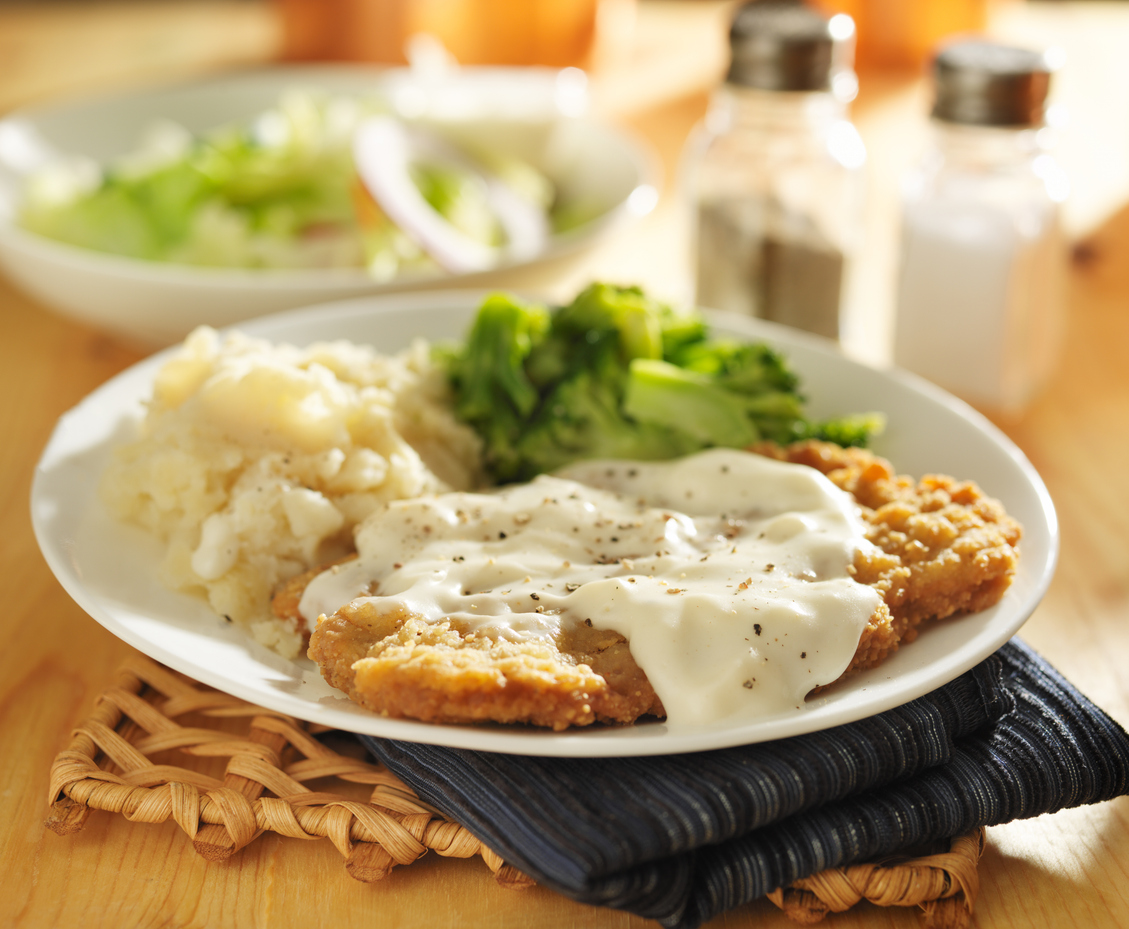
During the mid-1800s, German immigrants settling in Texas brought with them traditional dishes like Wiener schnitzel, a breaded and pan-fried cutlet. As they adapted to local conditions, beef replaced veal, which was less available, and cooks began using tougher cuts that were tenderized and fried. Over time, the addition of cream gravy transformed the dish into what is now recognized as chicken-fried steak. While the exact origin is debated, Central Texas communities such as Fredericksburg are often associated with its development. Today, the dish remains a staple across Texas diners and cafes, symbolizing the state’s blend of European influence and local adaptation.
Dallas Barbecue’s Identity Beyond Traditional Texas Styles
View this post on Instagram
Dallas barbecue developed with a more hybrid identity compared to the strict traditions of Central Texas. While brisket remains central, many Dallas-area establishments incorporate influences from Memphis, East Texas, and Southern barbecue styles. Restaurants like Sonny Bryan’s Smokehouse, established in 1910, helped define early barbecue traditions in Dallas. Later, places like Pecan Lodge and Lockhart Smokehouse contributed to the modern craft barbecue movement, emphasizing high-quality meats, precise smoking techniques, and long cook times. This evolution reflects Dallas’s broader food culture—one that embraces innovation while still respecting traditional methods.
The “Gang of Four” and the Rise of Southwestern Cuisine
In the late 1970s and early 1980s, a group of chefs helped establish Southwestern cuisine as a recognized American culinary style. Often associated with Dallas and Houston, this group included Dean Fearing, Stephan Pyles, Robert Del Grande, and Anne Lindsay Greer. They introduced dishes that combined Texas ingredients with Mexican and Southwestern flavors, moving away from traditional French fine dining influences. Ingredients like chiles, pecans, and local produce became central to their menus. Their work elevated Dallas’s reputation in the national dining scene and influenced generations of chefs across Texas.
El Fenix and the Rise of Tex-Mex in Dallas
View this post on Instagram
Founded in 1918 by Miguel “Mike” Martinez, El Fenix played a key role in popularizing Tex-Mex cuisine in Dallas. Martinez initially opened a café before rebranding it into El Fenix, focusing on dishes that blended Mexican cooking with American tastes. The restaurant became known for its enchiladas, tamales, and combination plates, helping introduce Tex-Mex to a broader audience. Over time, El Fenix expanded into multiple locations and remains one of the most recognized Tex-Mex names in North Texas. Its longevity highlights the lasting appeal of adapted regional cuisine that reflects both heritage and local preferences.
Keller’s Drive-In and Dallas Burger Tradition
View this post on Instagram
Keller’s Drive-In has been serving burgers in Dallas since 1950, maintaining a classic drive-in format with carhop service. Founded by Jack Keller, the restaurant built its reputation on simple, affordable burgers made consistently over decades. With locations on Harry Hines Boulevard, Northwest Highway, and Garland Road, Keller’s continues to offer a nostalgic dining experience. Its menu focuses on straightforward items like cheeseburgers, fries, and root beer, appealing to both longtime locals and new visitors. The restaurant’s enduring popularity reflects the appeal of consistency, value, and tradition in Dallas dining.
Jimmy’s Food Store and Italian Influence in East Dallas
View this post on Instagram
Located in East Dallas, Jimmy’s Food Store has been a neighborhood institution since it was purchased by the DiCarlo family in 1966. Originally a small grocery, it evolved into a specialty Italian market known for its imported goods and house-made items. The store offers Italian meats, cheeses, wines, and prepared foods, including its well-known muffuletta sandwich. It has also supplied ingredients to local restaurants, strengthening its role in the broader Dallas food scene. Jimmy’s reflects the impact of Italian-American families on Dallas dining, preserving traditional recipes while adapting to a growing city.
Pecan Lodge and Modern Dallas Barbecue
View this post on Instagram
Founded in 2009 at the Dallas Farmers Market, Pecan Lodge quickly became one of the most recognized barbecue destinations in Texas. Known for its smoked brisket, ribs, and house-made sides, the restaurant emphasizes quality ingredients and traditional smoking techniques. Using woods like post oak and hickory, Pecan Lodge produces brisket with a distinct flavor profile that aligns with Texas barbecue standards while appealing to modern tastes. Its success helped define Dallas’s role in the statewide barbecue conversation.
Dean Fearing’s Tortilla Soup and Dallas Fine Dining
Chef Dean Fearing helped popularize tortilla soup as a signature dish during his time at The Mansion on Turtle Creek. Inspired by regional recipes, the dish evolved into a refined presentation featuring ingredients like avocado, tortilla strips, and rich broth. Tortilla soup became closely associated with Dallas fine dining and remains a staple at Fearing’s Restaurant. Its continued popularity reflects the city’s ability to elevate regional comfort foods into upscale cuisine.
Neighborhood Food Guides Across DFW
Exploring DFW food culture is often best done by neighborhood, where clusters of restaurants reflect different influences and dining styles.
- Deep Ellum (Dallas): Known for barbecue, casual dining, and chef-driven concepts, including Pecan Lodge and a growing number of experimental kitchens
- Bishop Arts District (Dallas): A walkable area filled with independent restaurants, bakeries, and modern Tex-Mex spots
- Fort Worth Stockyards: Focused on Texas heritage, with steakhouses, barbecue, and traditional Western dining tied to ranching culture
- Oak Cliff & South Dallas: Home to long-standing soul food restaurants and community-driven dining traditions
Each district highlights a different side of DFW’s identity, from historic roots to contemporary food trends.
Modern Food Trends in the DFW Dining Scene
DFW’s food culture continues to evolve with modern trends that build on its historical foundation.
- Food halls like Dallas Farmers Market bring together multiple vendors under one roof, offering a mix of cuisines and quick-service dining
- Fusion cuisine blends Tex-Mex, Asian, and Southern influences into new dishes that reflect the region’s diversity
- Chef-driven pop-ups and small-batch dining concepts allow local chefs to experiment with seasonal menus and creative formats
- Sustainability trends in barbecue and farm-to-table dining emphasize responsible sourcing and local ingredients
These trends show how DFW continues to innovate while staying connected to its culinary roots.
Conclusion
You’ll find that Dallas-Fort Worth’s food culture is built on layered histories, diverse influences, and culinary creativity. From German-inspired comfort food to Tex-Mex classics and modern barbecue, each dish tells a story shaped by migration, innovation, and local taste. Whether dining at historic institutions or newer establishments, you’re experiencing a region where food traditions continue to evolve while staying rooted in the past.