Houston’s Food Scene Through the Lens of Immigration and History
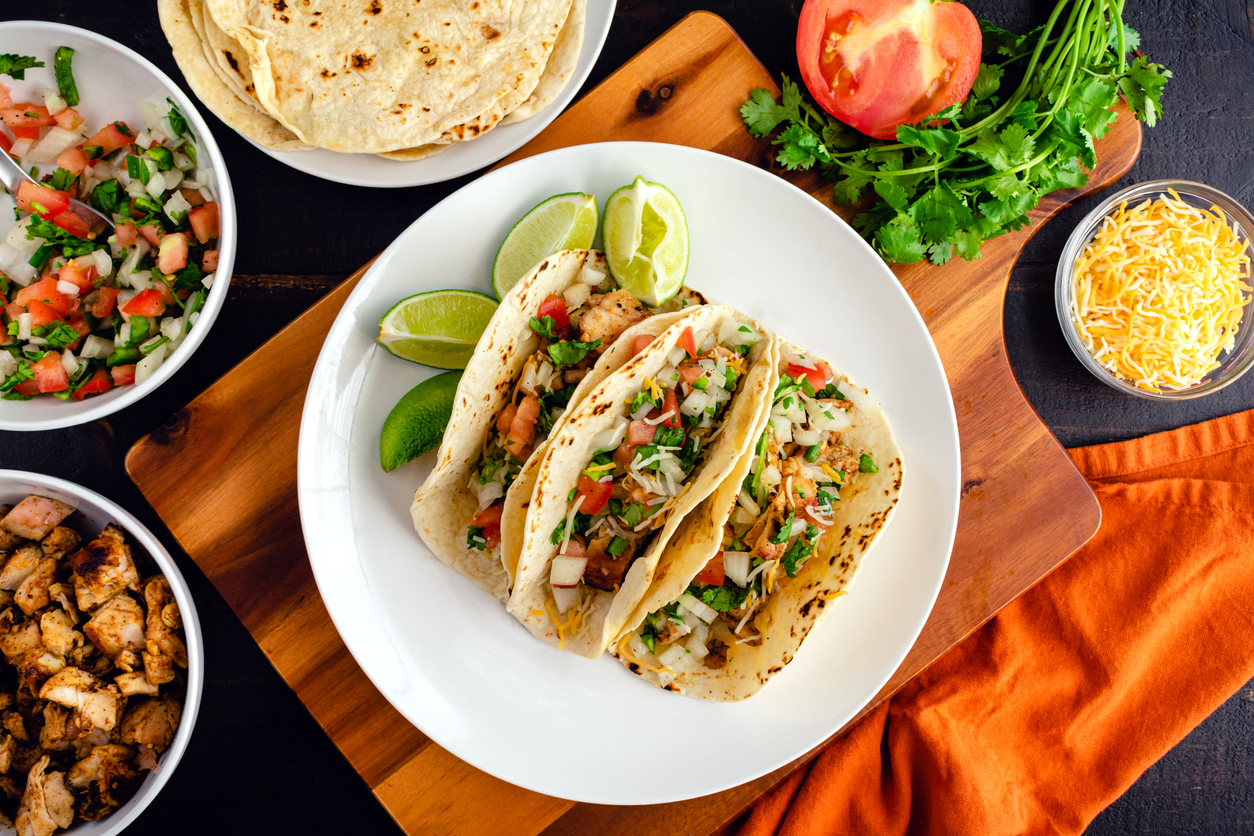
Houston’s food scene ranks among the most diverse in the United States, shaped by decades of immigration, economic growth, and cultural exchange rather than a single defining cuisine. You’ll find Chinese, Mexican, Vietnamese, Central American, Korean, West African, and South Asian communities that have each contributed to the city’s evolving restaurant landscape. Early European settlers introduced butchery traditions, while later immigrant communities transformed Houston into a city where regional cuisines—not just broad categories—define how people eat. Exploring Houston’s neighborhoods reveals how each wave of migration contributed distinct flavors to this Gulf Coast food capital.
Houston's Major Immigration Waves That Built Its Food Scene
Houston’s culinary identity developed through overlapping immigration waves rather than a fixed sequence. Chinese immigrants began arriving in Texas in the late 1800s, followed by Mexican migration during the early 20th century, which established the foundation for Tex-Mex cuisine. After 1965, immigration reforms expanded arrivals from Asia, Africa, and Latin America. Vietnamese refugees in the 1970s and 1980s reshaped the city’s food culture, while Korean, Indian, Pakistani, and West African communities established thriving restaurant networks across southwest Houston. Central American migration in the 1980s and 1990s added pupuserías, tamale shops, and regional specialties. Rather than replacing earlier traditions, each wave layered new culinary influences onto existing ones, creating the city’s distinctive food diversity.
How German and Czech Butchers Shaped Houston's Meat Market Culture
View this post on Instagram
German and Czech immigrants who settled across Texas in the 19th century influenced Houston’s early food systems through butchery, sausage-making, and preservation techniques. These traditions emphasized whole-animal use, curing, and smoking—methods that later influenced Texas barbecue culture. While Central Texas towns became famous for barbecue, Houston’s meat markets and delis carried forward these European techniques in more urban settings. Many early markets served as both food providers and community gathering spaces, shaping Houston’s long-standing connection between food and neighborhood identity.
Why Houston Is Known for Exceptional Vietnamese Food
Houston is home to one of the largest Vietnamese populations in the United States, with major communities concentrated in Midtown and Southwest Houston. This has made the city a leading destination for Vietnamese cuisine, particularly phở, bánh mì, and rice dishes like cơm tấm. The city also helped popularize Viet-Cajun cuisine, a fusion that blends Gulf Coast seafood traditions with Vietnamese flavors. Restaurants such as Crawfish & Noodles and other local spots introduced garlic butter crawfish with Vietnamese seasoning, a style now recognized nationwide. Houston’s access to fresh seafood and strong community networks has allowed both traditional and modern Vietnamese cooking to thrive side by side.
From Tex-Mex to Regional Mexican: How Houston's Mexican Food Evolved
View this post on Instagram
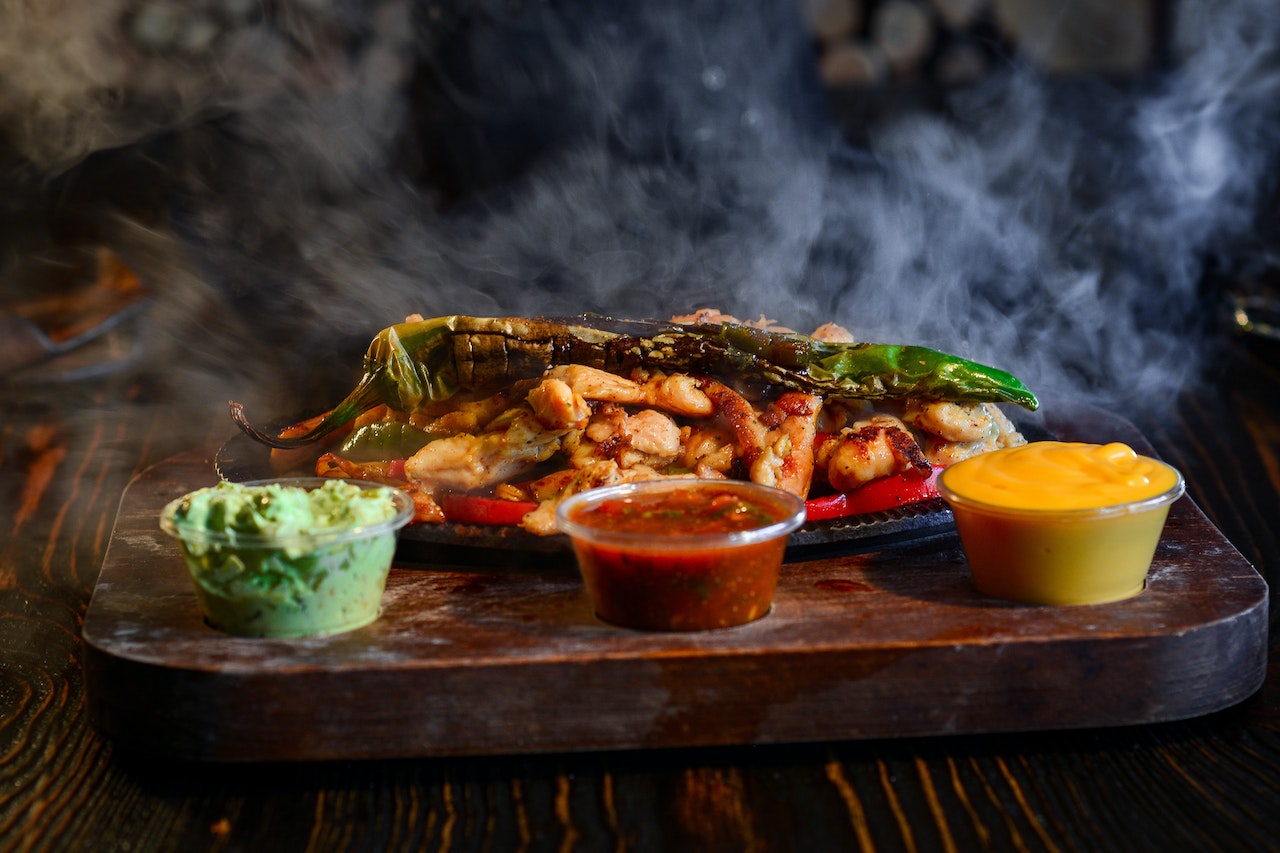
Houston’s Mexican food scene began with street vendors in the late 1800s, many of whom sold tamales and simple dishes in central markets. Over time, these offerings evolved into Tex-Mex cuisine, which adapted traditional recipes to local tastes. Restaurants like The Original Ninfa’s on Navigation helped popularize fajitas in the 1970s, while later generations of chefs introduced regional Mexican cuisines from Oaxaca, Puebla, and Northern Mexico. Today, Houston’s Mexican dining scene spans everything from casual taquerías to chef-driven restaurants like Hugo’s and Xochi, reflecting both historical roots and modern innovation.
Houston's Chinatown and the Bellaire Corridor
Houston’s original Chinatown was located downtown in the early 20th century before relocating westward along Bellaire Boulevard in the 1980s. Today, this area—often referred to as Asiatown—is one of the largest Asian commercial districts in the region. You’ll find Chinese, Vietnamese, Korean, Taiwanese, and other Asian cuisines spread across strip malls and shopping centers. Major landmarks include Hong Kong City Mall, Diho Square, and Jusgo Supermarket, surrounded by restaurants offering dim sum, hot pot, and regional specialties. The corridor continues to expand westward, reflecting ongoing immigration and business growth.
Houston's Central American Food Scene
Houston’s Central American population grew significantly in the late 20th century, particularly in neighborhoods like Gulfton and Southwest Houston. This growth introduced Salvadoran pupusas, Honduran baleadas, and Guatemalan tamales, now widely available across the city. Restaurants such as Pollo Campero helped bring Central American cuisine into the mainstream, while smaller family-run establishments continue to anchor local communities. These cuisines reflect a blend of indigenous, Spanish, and Caribbean influences, contributing to Houston’s broader food diversity.
Southwest Houston's West African and Ethiopian Restaurants
View this post on Instagram
Southwest Houston has become a major hub for West African and East African cuisine, particularly Nigerian and Ethiopian food. Restaurants like ChopnBlok highlight modern Nigerian dishes, while Lucy Ethiopian Restaurant serves traditional meals such as injera and doro wat. Other establishments across the area offer jollof rice, suya, egusi soup, and other regional specialties. These restaurants serve both local communities and a growing number of visitors seeking authentic global cuisine.
How Indian and Pakistani Communities Built Houston's Spice Corridor
The Mahatma Gandhi District along Hillcroft Avenue serves as Houston’s primary hub for Indian and Pakistani cuisine. Established in the late 20th century, the area features restaurants, grocery stores, and cultural institutions. Popular spots include Himalaya Restaurant and Aga’s Restaurant & Catering, known for dishes like biryani, kebabs, and curries. The district also offers vegetarian South Indian options, sweets shops, and specialty markets. This concentration of businesses reflects Houston’s role as a destination for skilled immigrants who helped shape both the city’s economy and its food culture.
Afghan and Other Emerging Food Communities
Houston’s refugee resettlement programs have introduced a variety of lesser-known cuisines, including Afghan food. Restaurants like Afghan Village, Chopan Kabob House, and Saffron Kabob House serve traditional dishes such as kabobs, mantu dumplings, and rice platters. These establishments preserve culinary traditions while contributing to Houston’s expanding global food scene. Other communities—including Burmese and Somali populations—have a smaller but growing culinary presence, often through family-run businesses.
The Best Neighborhoods to Experience Houston's Global Food Scene
Several Houston neighborhoods offer concentrated access to global cuisine:
- Bellaire / Asiatown – Chinese, Vietnamese, Korean, and Taiwanese dining
- Hillcroft (Mahatma Gandhi District) – Indian and Pakistani cuisine
- Gulfton / Southwest Houston – Central American and West African restaurants
- Montrose – Diverse, chef-driven international restaurants
- The Heights – Mix of Southern, Tex-Mex, and modern concepts
Exploring these areas allows you to experience multiple cultures through food within a short distance.
Conclusion
Houston’s food scene tells the story of the city itself—a place shaped by migration, resilience, and cultural exchange. Each community has contributed its own flavors, techniques, and traditions, creating a culinary landscape that continues to evolve. Whether you’re exploring Vietnamese cafés, Tex-Mex institutions, or West African kitchens, you’re experiencing a living history that reflects Houston’s identity as one of America’s most diverse cities.