How Texas Cuisine Tells the Story of the State’s Cultural Roots

Texas cuisine reflects the state’s layered cultural history, shaped by Indigenous traditions, Spanish colonization, European immigration, African American influence, and regional migration. From corn-based dishes and slow-roasting techniques to smoked meats, Tex-Mex staples, and Gulf Coast seafood, each culinary tradition reveals how different communities contributed to what is now considered Texas comfort food. Rather than a single cuisine, Texas food is a fusion of regional practices and cultural exchange that continues to evolve today.
What Native American Tribes Brought to Texas Cooking?
View this post on Instagram
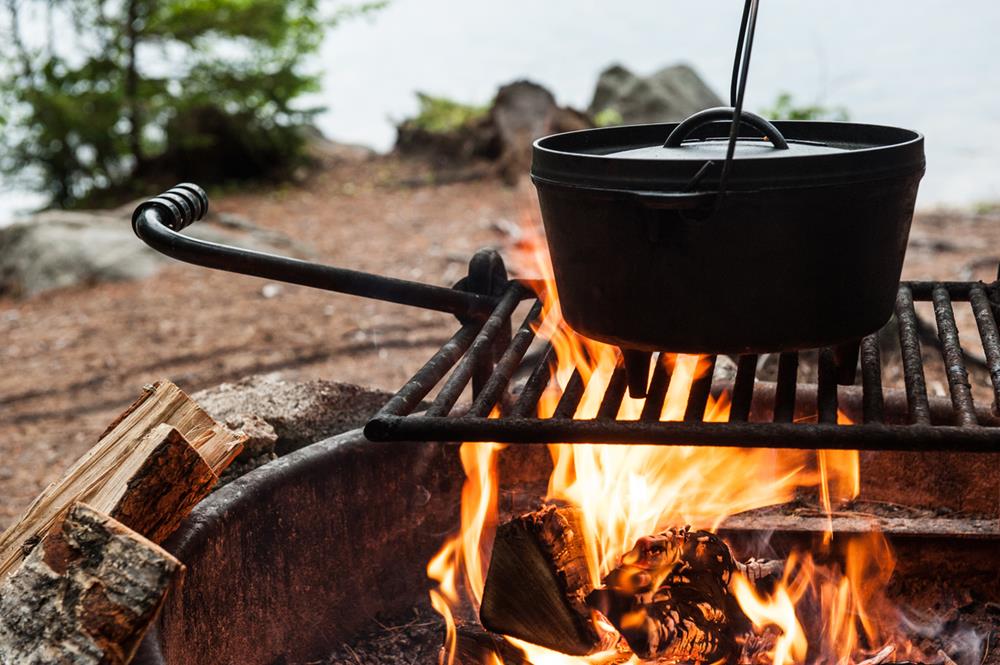
Long before European settlers arrived, Indigenous communities across Texas had already developed sophisticated food systems and cooking methods suited to the region’s environment. Tribes such as the Caddo, Wichita, Karankawa, and Coahuiltecan peoples cultivated crops like corn, beans, and squash—often referred to as the “Three Sisters.” These staples formed the foundation of many later dishes across the Southwest and Texas. They also used earth ovens, a technique where food was slow-cooked underground using heated stones and plant coverings. This method influenced later cooking styles associated with barbacoa and slow-roasted meats. Wild ingredients such as pecans, prickly pear, mesquite beans, and native chiles were widely used. These foods remain part of Texas cuisine today, especially in regional and traditional cooking. Hunting practices also contributed proteins like deer, turkey, and small game, many of which still appear in modern Texas dishes.
Spanish Settlers and the Origins of Texas Barbecue
View this post on Instagram
Spanish settlers introduced cattle, pigs, and ranching systems to Texas beginning in the 1700s, fundamentally shaping the state’s food culture. They also brought the concept of barbacoa, derived from Caribbean Indigenous cooking methods, which involved slow-cooking meat over heat, often in a pit. This technique spread through Mexico into Texas, influencing how meat was prepared across the region. The introduction of cattle made beef a central protein, setting Texas apart from other Southern states where pork remained dominant. While modern Texas barbecue developed later, these early practices laid the groundwork for slow-cooked, meat-focused traditions that define the cuisine today.
German and Czech Immigrants Who Built Texas Smokehouse Culture
View this post on Instagram
German and Czech immigrants who settled in Central Texas during the 1800s played a major role in shaping Texas barbecue traditions. They brought butchery skills and meat preservation techniques, including smoking meats to prevent spoilage. These methods were applied to local beef, particularly brisket, which required long cooking times to become tender. Towns such as Lockhart, Luling, and Taylor became centers of this style, where meat markets evolved into barbecue establishments. One notable example is Southside Market & Barbeque in Elgin, established in 1886, widely recognized as the oldest continuously operating barbecue joint in Texas. Their approach emphasized simple seasoning, slow smoking, and quality meat, which became hallmarks of Central Texas barbecue.
Louisiana Cajun and Creole Influence on Gulf Coast Cooking
Southeast Texas developed strong culinary ties to Louisiana through migration and shared geography along the Gulf Coast. Cajun settlers brought dishes such as gumbo, boudin, and étouffée, which became part of the food culture in cities like Beaumont, Port Arthur, and Houston. Creole cuisine added a more urban and ingredient-rich approach, combining influences from French, Spanish, African, and Caribbean traditions. In Texas, these dishes evolved using local ingredients and preferences, creating regional variations often referred to as Texas Creole. Restaurants such as Brennan’s of Houston, established in 1967, helped popularize this blend by adapting Louisiana-inspired dishes to fit Texas tastes.
African American Cooks and the Texas Southern Food Legacy
African American cooks played a central role in shaping Southern and Texas comfort food traditions, particularly during and after the 19th century. They contributed techniques such as:
- Deep frying, used in dishes like fried chicken
- One-pot cooking, seen in stews and slow-cooked meals
- The use of ingredients like okra, black-eyed peas, and greens
These traditions were influenced by West African culinary practices and adapted to local ingredients available in Texas. African American pitmasters also played a significant role in the development of barbecue techniques, including fire management and seasoning methods that are still used today. Their contributions helped define many of the flavors and cooking styles associated with Texas comfort food.
Anglo-American and Tejano Influence on Tex-Mex Cuisine
View this post on Instagram
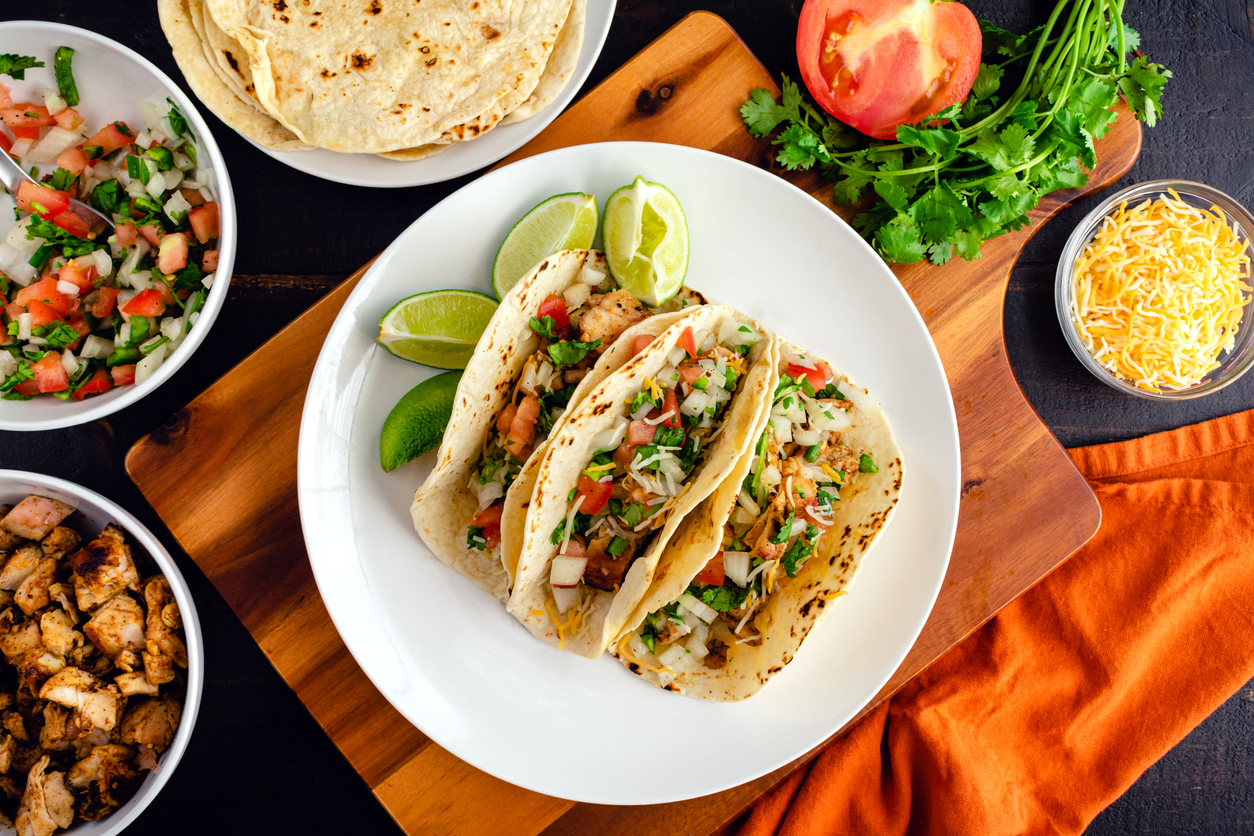
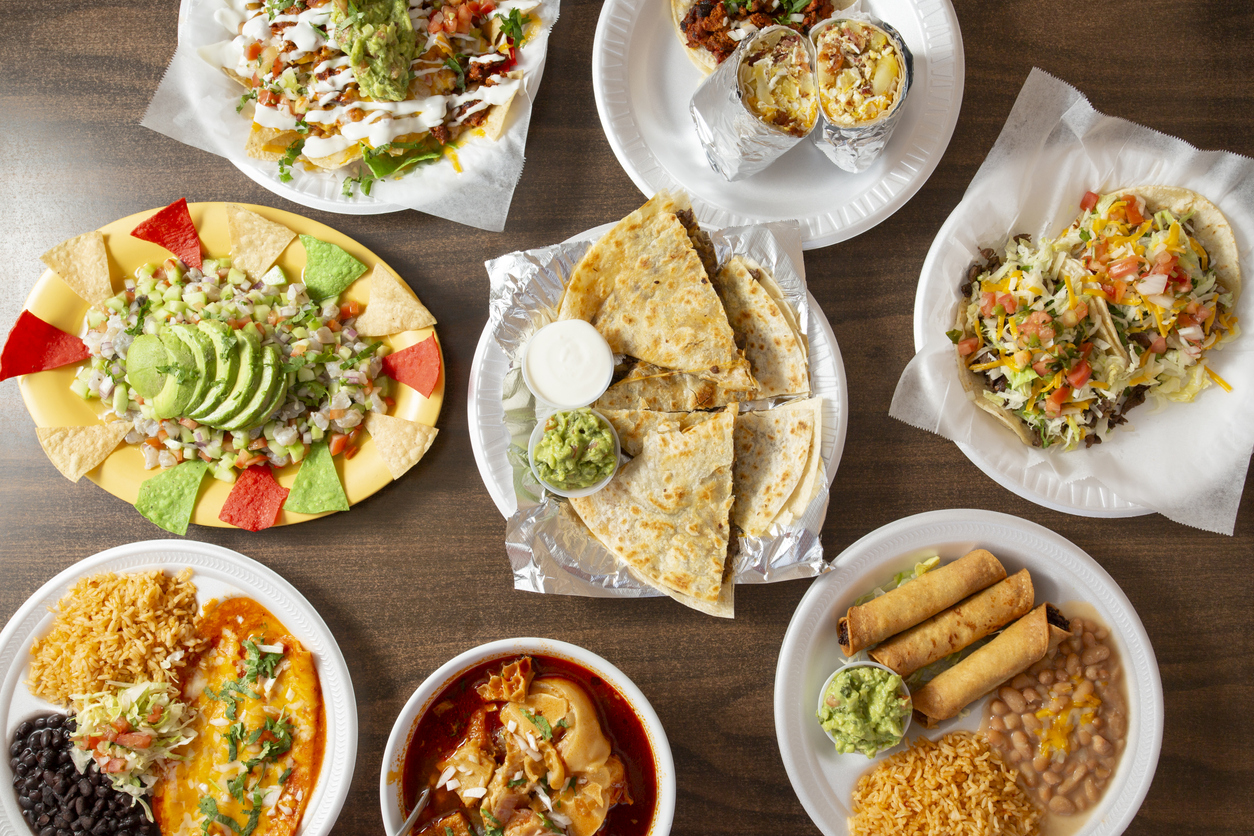
Tex-Mex cuisine developed through the interaction of Tejano communities and Anglo-American settlers, particularly in the 19th and early 20th centuries. Rather than replacing Mexican traditions, this interaction created a distinct regional cuisine. Ingredients such as beef, cheddar cheese, and flour tortillas became more common, reflecting local availability and cultural preferences. Dishes like chili con carne, enchiladas, and fajitas evolved over time, combining Mexican cooking methods with Texas ranching influences. San Antonio played a key role in this development, where the “chili queens” served dishes in public plazas during the late 1800s, helping introduce these flavors to a wider audience. Tex-Mex became widely recognized in the mid-20th century as a distinct culinary style rooted in Texas history.
Conclusion
Texas cuisine tells a story of migration, adaptation, and cultural exchange. From Indigenous agricultural practices and Spanish ranching to European smoking techniques and Southern cooking traditions, each group contributed to a food culture that continues to evolve. Today, Texas food reflects this history through dishes that are hearty, diverse, and deeply connected to place. Every meal offers a glimpse into the people and traditions that shaped the state.