Outdoor Cooking Traditions That Define Texas Food Culture
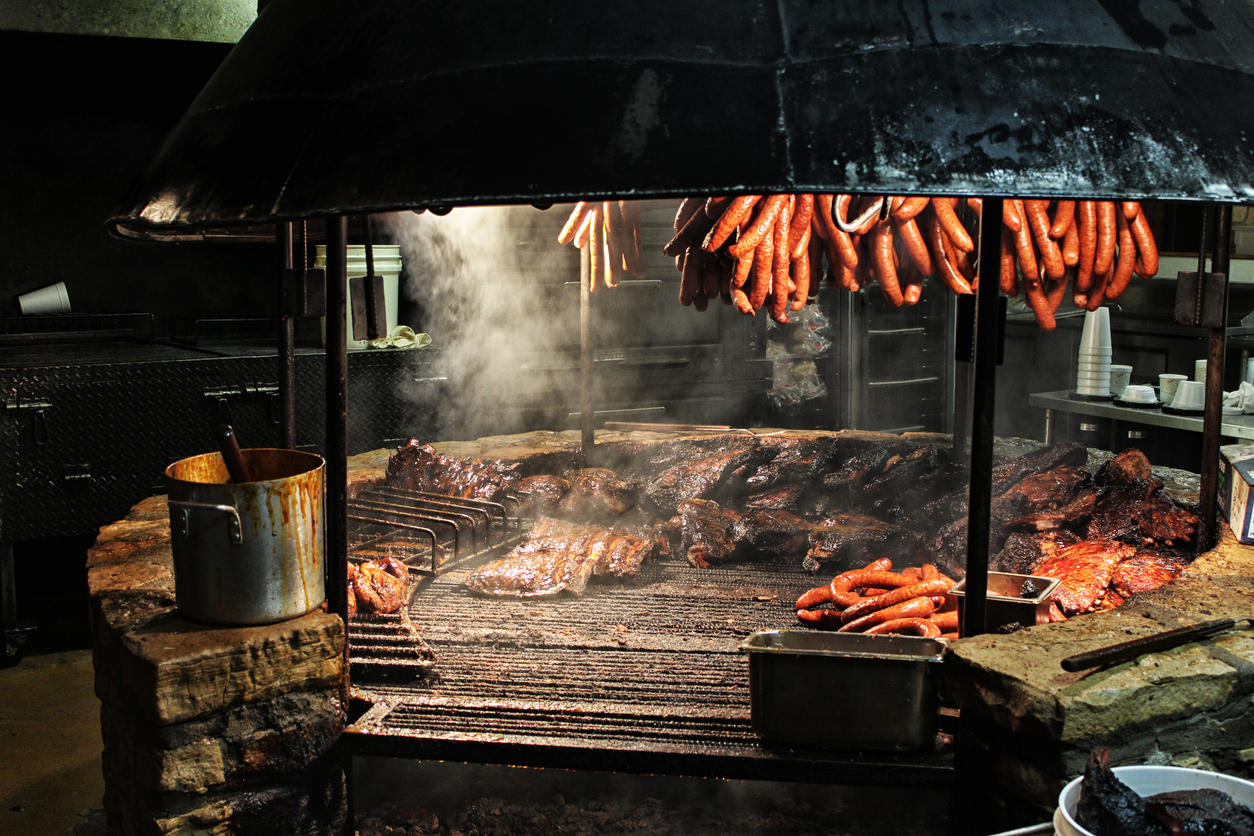
Outdoor cooking traditions remain one of the strongest influences on Texas food culture, blending Indigenous cooking methods, African American barbecue expertise, Mexican ranch traditions, and European meat-smoking techniques into a uniquely Texan culinary identity. From open-fire ranch cooking and slow-smoked brisket to barbacoa pits and backyard cookouts, outdoor food preparation has shaped how Texans gather, celebrate, and preserve regional traditions for generations. Across the state, regional cooking styles continue reflecting the geography, immigrant communities, livestock industries, and cultural influences that helped define Texas cuisine.
How Indigenous and Colonial Traditions Shaped Texas Barbecue
View this post on Instagram
The roots of Texas barbecue trace back long before the arrival of cowboys, ranchers, or commercial smokehouses. Indigenous peoples throughout present-day Texas, including the Caddo, Karankawa, and Coahuiltecan peoples, used slow-cooking methods over open fires and underground pits to prepare meat and preserve food. These techniques relied on indirect heat, smoke, and long cooking times that remain central to barbecue today. The term “barbacoa” originated from the Taíno people of the Caribbean, whose raised wooden cooking structures influenced Spanish terminology during early colonial exploration. When Spanish settlers arrived in Texas during the 1500s and 1600s, they introduced cattle, goats, and hogs while adopting many existing Indigenous cooking practices. These combined influences gradually formed the foundation of Texas barbecue traditions. Later, German and Czech immigrants introduced European butchering and smoking methods, while Mexican vaqueros contributed open-fire ranch cooking and pit-roasted barbacoa traditions that still shape Texas outdoor cooking today.
Why African American Pitmasters Helped Define Texas Smoking Traditions
African American pitmasters played a foundational role in developing Texas barbecue traditions and smoking techniques. During the 19th century, enslaved Black cooks throughout the South and Texas developed expertise in managing large outdoor cooking operations for ranches, plantations, churches, and community gatherings. Their techniques emphasized:
- Fire management
- Slow smoking
- Wood selection
- Whole-animal cooking
- Meat tenderness through extended cooking times
These pitmasters refined low-and-slow barbecue methods that became central to Texas smoked meat traditions. Following emancipation, many African American cooks turned barbecue into businesses and community gathering spaces. Their influence remains especially important in East Texas barbecue culture, where smoked pork, chopped beef sandwiches, sausage, and heavily seasoned meats became regional staples. African American barbecue traditions continue shaping Texas food culture through family-run smokehouses, festivals, and modern pitmasters across the state.
How German and Czech Butchers Created Central Texas Barbecue
View this post on Instagram
During the 19th century, German and Czech immigrants settled throughout Central Texas and brought meat-smoking and butchering traditions that transformed Texas barbecue. Towns such as Lockhart, Taylor, Elgin and Luling became known for butcher shops that smoked meats both for preservation and for customer sales. Without refrigeration, unsold cuts such as brisket were often smoked over wood fires to extend their usability. Over time, customers began specifically requesting these smoked meats, helping establish the Central Texas barbecue style. This approach relied on:
- Low-and-slow cooking
- Offset smokers
- Post oak wood
- Simple salt-and-pepper seasoning
- Minimal sauce use
Historic smokehouses such as Kreuz Market, Black’s Barbecue, Louie Mueller Barbecue, and Smitty’s Market continue preserving many of these traditions today. Central Texas barbecue remains especially known for sliced brisket served on butcher paper with a strong emphasis on smoke flavor and bark development.
How East, Central, West, and South Texas Styles Differ
View this post on Instagram
Texas barbecue evolved differently across the state as geography, immigration, and local ingredients shaped regional cooking styles.
| Region | Wood & Cooking Style | Signature Foods |
|---|---|---|
| East Texas | Hickory smoke, slow-smoked meats | Chopped beef sandwiches, pork ribs, sausage, tomato-based sauces |
| Central Texas | Post oak, low-and-slow smoking | Brisket, beef ribs, salt-and-pepper rubs, butcher-paper service |
| West Texas | Mesquite, direct-heat grilling | Cowboy-style beef, goat, open-fire cooking |
| South Texas | Mesquite and Mexican influences | Barbacoa, cabeza, beef cheeks, handmade tortillas |
East Texas barbecue often reflects Southern cooking traditions with saucier meats and chopped sandwiches. Central Texas focuses heavily on brisket and smoke quality with minimal seasoning. West Texas barbecue, sometimes called “cowboy style,” relies more on direct grilling over mesquite wood rather than enclosed smoking. South Texas barbecue draws strong influence from Mexican cooking traditions, particularly barbacoa and pit-roasted meats. Together, these regional styles form the backbone of Texas outdoor cooking culture.
How Barbecue Became Central to Texas Politics and Family Life
View this post on Instagram
Barbecue eventually became more than a cooking method in Texas. It evolved into an important social tradition tied to politics, celebrations, religion, and community gatherings. Throughout Texas history, large barbecue events have brought together:
- Political supporters
- Church congregations
- Families
- Rodeo attendees
- Neighborhood communities
Public barbecue gatherings became common during political campaigns, Juneteenth celebrations, county fairs, and civic events throughout the 19th and 20th centuries. Texas governors, politicians, and local leaders frequently appeared at large cookouts and barbecue fundraisers because these gatherings served as major community events. At the family level, outdoor cooking traditions remain closely connected to:
- Weekend cookouts
- Football gatherings
- Holidays
- Ranch events
- Family reunions
Barbecue continues serving as both a meal and a social experience that strengthens community connections across Texas.
Outdoor Ranch Cooking and Cowboy Food Traditions
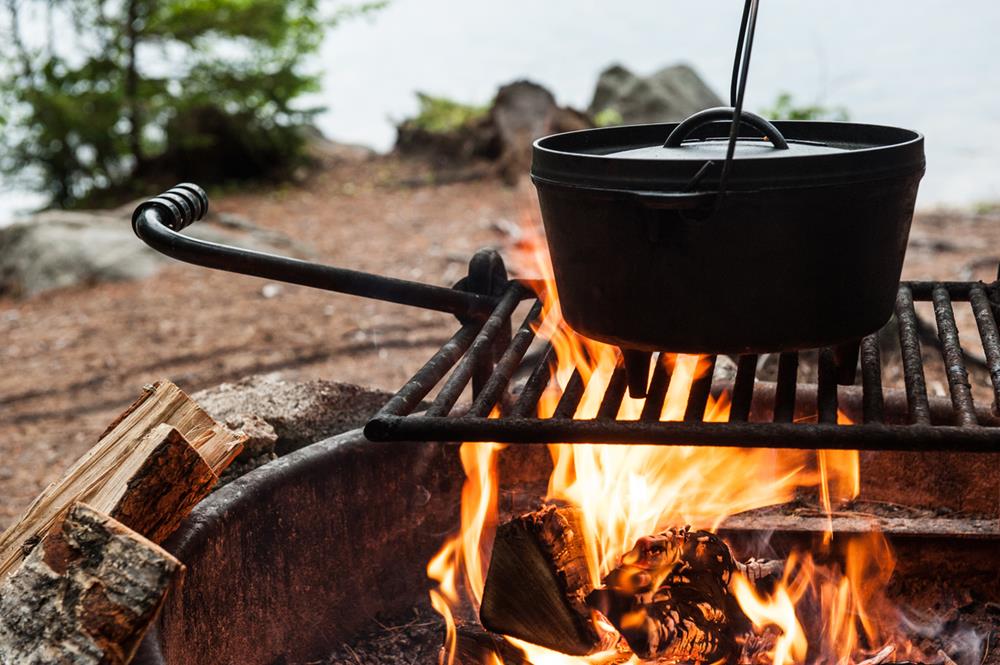
Texas outdoor cooking traditions extend beyond barbecue pits and smokehouses into ranch cooking and cowboy-style meals prepared over open fires. Early cattle drives and ranch life required practical meals that could be cooked outdoors using cast-iron cookware, open flames, and easily transported ingredients. Traditional ranch-style foods often included:
- Beans
- Coffee
- Biscuits
- Smoked meats
- Stews
- Dutch oven meals
Cowboys frequently cooked over mesquite wood fires because mesquite was widely available throughout West and South Texas. These ranch cooking traditions continue influencing modern Texas outdoor cuisine through chuckwagon events, rodeos, camping meals, and open-fire cooking competitions.
Where Historic Texas Pitmasters Still Practice Traditional Methods
View this post on Instagram
Several historic Texas barbecue establishments still preserve traditional smoking methods rooted in generations of family experience. In Central Texas, many pitmasters continue using offset smokers fueled by post oak wood, maintaining overnight fire management techniques that require constant attention and careful temperature control. Historic barbecue destinations include:
- Kreuz Market in Lockhart
- Black’s Barbecue in Lockhart
- Louie Mueller Barbecue in Taylor
- Smitty’s Market in Lockhart
- Snow’s BBQ in Lexington
- Cooper’s Old Time Pit Bar-B-Que in Llano
Many longtime pitmasters still rely on:
- Hand-built smokers
- Traditional wood-fired pits
- Family seasoning recipes
- Slow overnight cooking schedules
- Handmade sausage preparation
These methods help preserve the authenticity and regional identity of Texas outdoor cooking culture.
Texas BBQ Festivals and Community Cook-Offs
Texas hosts some of the country’s largest barbecue festivals and outdoor cooking events, attracting pitmasters, travelers, and food enthusiasts from around the world. Major events include:
- Houston Livestock Show and Rodeo World’s Championship Bar-B-Que Contest
- Texas Monthly BBQ Fest
- Red Dirt BBQ & Music Festival in Tyler
- Lockhart Chisholm Trail Roundup
- Smoked Dallas BBQ Festival
These events often combine live music, cooking demonstrations, vendor markets, family activities and BBQ competitions. Smaller local cook-offs also remain important fundraising traditions for volunteer fire departments, schools, churches, and civic groups throughout Texas communities.
Conclusion
Texas outdoor cooking traditions reflect centuries of cultural exchange, regional history, ranch life, and community gatherings. From Indigenous pit-roasting methods and Mexican barbacoa traditions to African American smoking techniques and German butcher-shop barbecue, each influence helped shape the state’s distinctive food culture. Whether experienced through historic smokehouses, backyard cookouts, rodeo cook-offs, or ranch-style campfire meals, outdoor cooking remains one of the strongest traditions connecting Texans to their cultural and culinary heritage.