San Antonio Historic Recipes and the Stories They Carry
San Antonio’s historic recipes tell the story of a city shaped by Indigenous foodways, Spanish colonial missions, Mexican and Tejano vendors, German brewers, African American pitmasters, and generations of home cooks. These food traditions did not develop separately. They blended through markets, plazas, ranches, missions, family kitchens, restaurants, and neighborhood gatherings. From chili con carne and tamales to barbacoa, puffy tacos, German-influenced comfort food, and barbecue, San Antonio’s recipes carry more than flavor. They carry memory, migration, adaptation, and community. That deep culinary heritage helped earn San Antonio its designation as a UNESCO Creative City of Gastronomy in 2017.
The Chili Queens and the Plaza Dishes That Put San Antonio on the Map
View this post on Instagram
San Antonio’s Chili Queens helped create one of Texas’s most famous early street food traditions. From roughly the late 1800s into the early 1900s, these Mexican American women served chili con carne, tamales, enchiladas, beans, coffee, and other foods in open-air plazas such as Military Plaza and Market Square. Their food stands attracted locals, travelers, soldiers, cowboys, businesspeople, and tourists. The atmosphere was part of the appeal: tables, lanterns, music, conversation, and the smell of simmering chili made the plazas lively evening gathering places. Chili con carne became especially important because it introduced many visitors to Mexican and Tejano flavors. As rail travel increased, travelers carried stories of San Antonio’s chili stands beyond Texas, helping turn the dish into a national curiosity and eventually a mainstream American food. The Chili Queens faced growing pressure from sanitation rules, changing city regulations, and competition from restaurants. Even after their plaza era ended, their influence remained central to San Antonio’s food identity.
Native Earth Ovens, Barbacoa, and Spanish Mission Cooking
View this post on Instagram
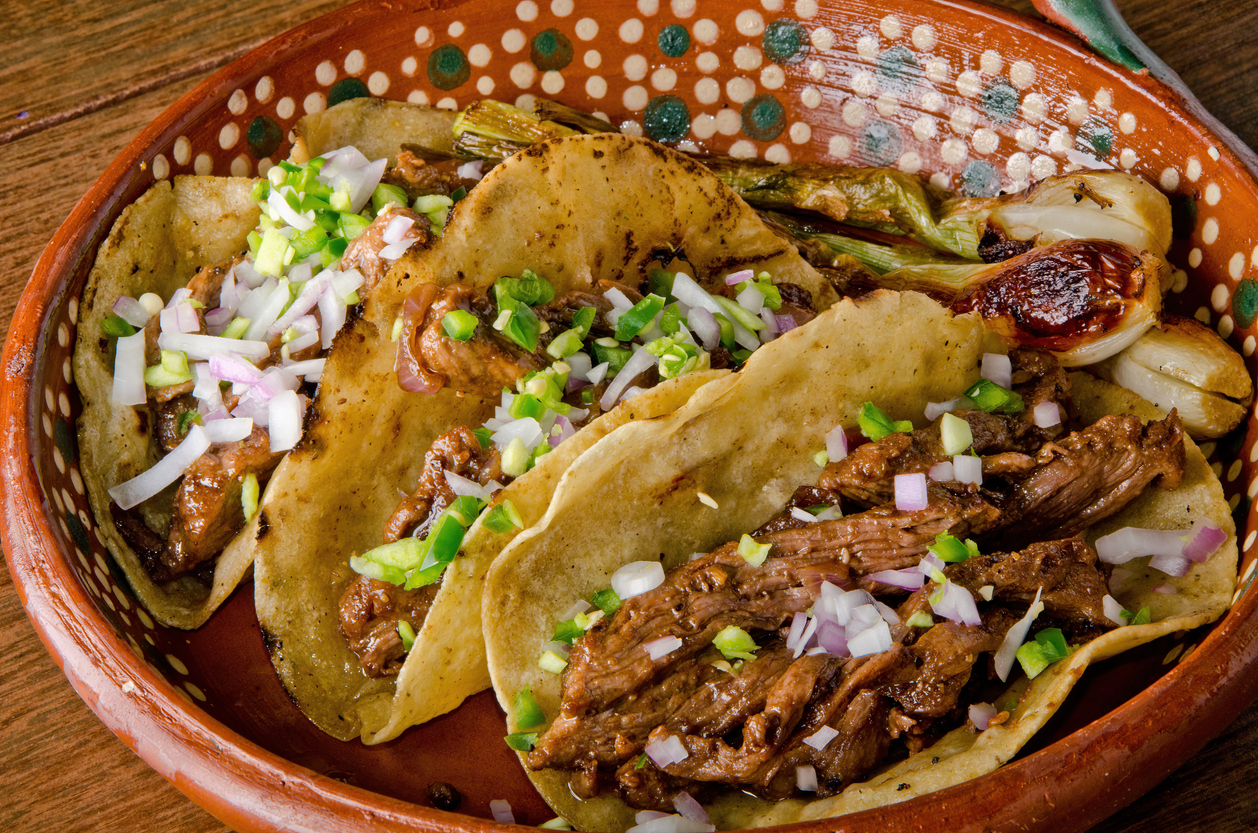
Long before San Antonio became a Spanish colonial settlement, Indigenous peoples in the region used earth ovens, native plants, wild game, mesquite, pecans, cactus, and other local ingredients. Archaeological evidence from the region shows that earth ovens were used for thousands of years to slow-cook plants and meats. These ovens used heated rocks and covered pits to hold steady heat for long periods. Tough plants such as agave, sotol, and lechuguilla required long cooking times to become edible and digestible. Spanish colonization introduced livestock, wheat, dairy, metal cookware, and new seasonings. In mission communities, Indigenous cooking knowledge blended with Spanish agricultural systems and Catholic food traditions. This mix helped shape early San Antonio foodways. The influence of earth-oven cooking is still visible in barbacoa, a slow-cooked meat tradition that remains closely tied to San Antonio weekend breakfasts, family gatherings, and South Texas food culture.
Mexican Market Vendors and Family Recipes That Became Local Staples
Mexican and Tejano market vendors helped turn family recipes into San Antonio staples. In plazas, markets, and neighborhood food stands, vendors sold tamales, tortillas, enchiladas, chili, pan dulce, menudo, and other foods that were affordable, filling, and familiar. These recipes were often passed down by practice rather than written instructions. Family members learned by watching, tasting, grinding, kneading, steaming, simmering, and adjusting ingredients by feel. Tamales became especially important because they were practical for both daily eating and celebrations. Fresh tortillas became the foundation for breakfast tacos, bean-and-cheese tacos, and simple snacks. Panaderías carried traditions of sweet breads such as conchas, empanadas, orejas, and marranitos. Over time, what began as market cooking became restaurant cooking, and what began as family food became part of the city’s public identity.
German Brewers and African American Pitmasters Who Shaped the Menu
View this post on Instagram
German immigrants helped shape San Antonio’s food and drink culture during the 19th century. Their influence appeared in breweries, bakeries, sausage-making, delis, beer gardens, and community gathering spaces. The Pearl Brewing Company became one of the city’s best-known brewing landmarks, while restaurants such as Schilo’s preserved German-Texan comfort food through dishes like split pea soup, sausage plates, rye bread, potato salad, and house-made root beer. African American cooks and pitmasters also shaped San Antonio’s food culture through barbecue, smoked meats, Southern sides, and community-centered cooking traditions. Their influence can be seen in slow-smoked brisket, sausage, ribs, chicken, oxtails, greens, beans, and other dishes tied to family gatherings, church events, neighborhood restaurants, and East Side food traditions. Together, German brewing culture and African American barbecue traditions added depth to San Antonio’s menu, expanding the city’s food story beyond Tex-Mex while still connecting to local gathering places and shared meals.
From Combination Plates to National Cuisine: San Antonio’s Role in Tex-Mex
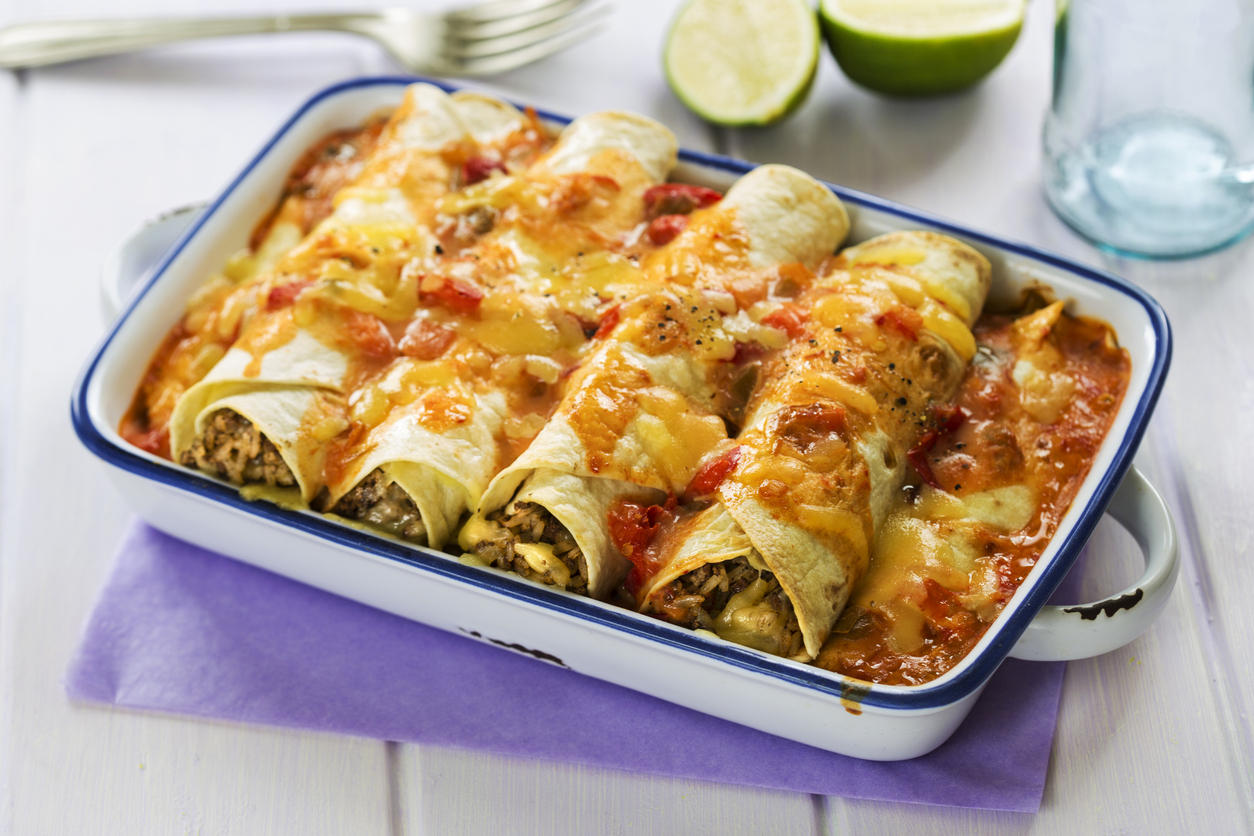
San Antonio played a major role in the development of Tex-Mex cuisine, especially through plaza food, chili stands, Mexican restaurants, and combination plates. In the early 1900s, Otis Farnsworth’s Original Mexican Restaurant in San Antonio helped popularize the “Regular,” a plate that combined Mexican dishes with rice and beans. That style of combination plate became a defining part of Tex-Mex restaurant culture. The appeal was simple: diners could try several flavors on one plate, often at an affordable price. Enchiladas, tamales, chili, beans, rice, tortillas, and later cheese-covered dishes helped make Tex-Mex accessible to a wide range of customers. San Antonio’s role in Tex-Mex history is not limited to one restaurant or one dish. It comes from the long relationship between Mexican and Tejano home cooking, public markets, plaza vendors, restaurants, immigration, and local ingredients.
Recipes That Still Define San Antonio Today
View this post on Instagram
Many of San Antonio’s historic recipes remain part of everyday life. Some of the city’s most recognizable foods include:
- Chili con carne
- Tamales
- Barbacoa
- Breakfast tacos
- Puffy tacos
- Menudo
- Pan dulce
- Enchiladas
- Brisket tacos
- German-style sausages and deli foods
These dishes continue appearing at restaurants, panaderías, meat markets, barbecue spots, family gatherings, food festivals, and weekend breakfasts. That continuity is what makes San Antonio’s food heritage so strong. The recipes are not just preserved in museums or cookbooks. They are still cooked, shared, adapted, and eaten across the city.
Conclusion
San Antonio’s historic recipes carry the stories of the people who shaped the city. The Chili Queens turned plazas into outdoor dining rooms. Indigenous cooks and Spanish missions shaped early foodways. Mexican and Tejano families carried recipes through markets and restaurants. German brewers and African American pitmasters added their own traditions to the city’s table. Together, these influences created one of the most distinctive food cultures in Texas. When you eat a bowl of chili, unwrap a tamal, order barbacoa on a Sunday morning, or share a Tex-Mex combination plate, you are tasting centuries of migration, resilience, invention, and community.